

|
Java green peafowl: working through the myth. |
Think of Java Green peafowl, what’s the first image that comes to mind? Who decides what the best genetics are and why them… who follows that doctrine and why.
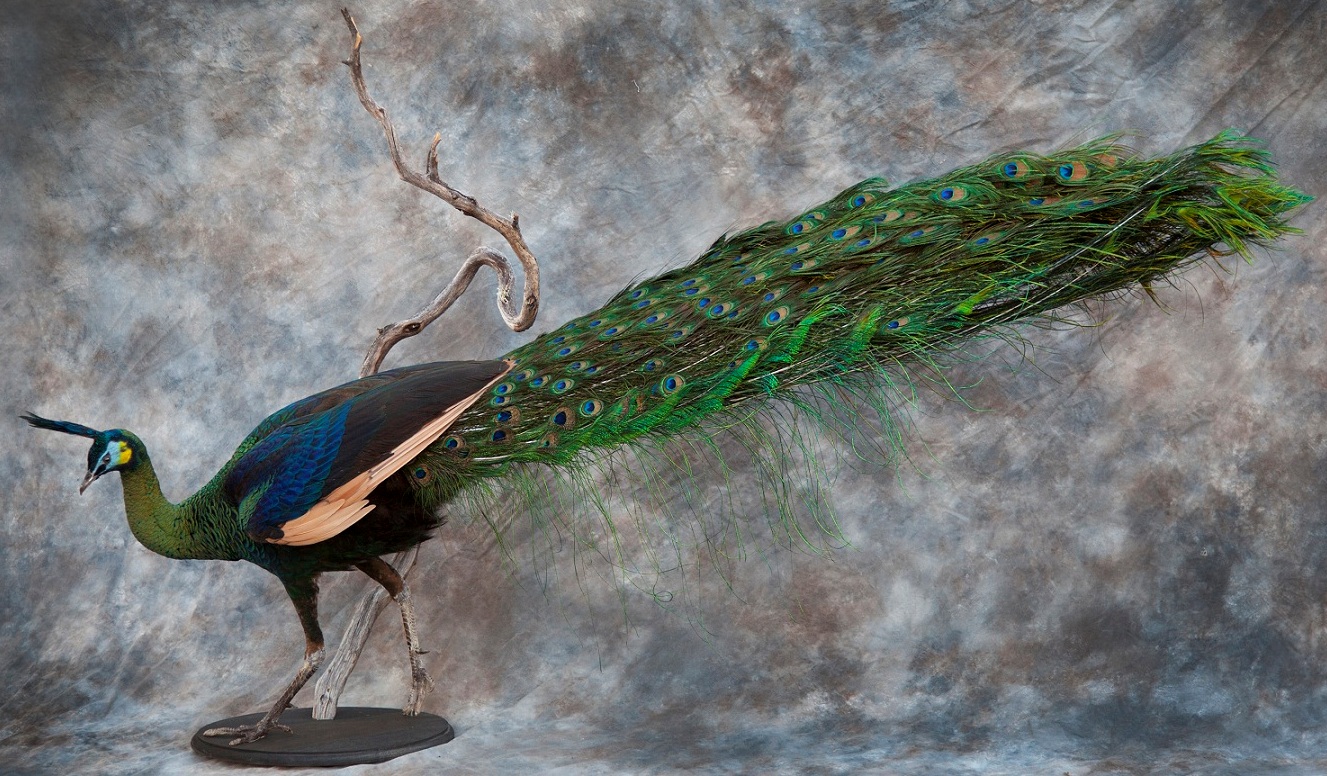
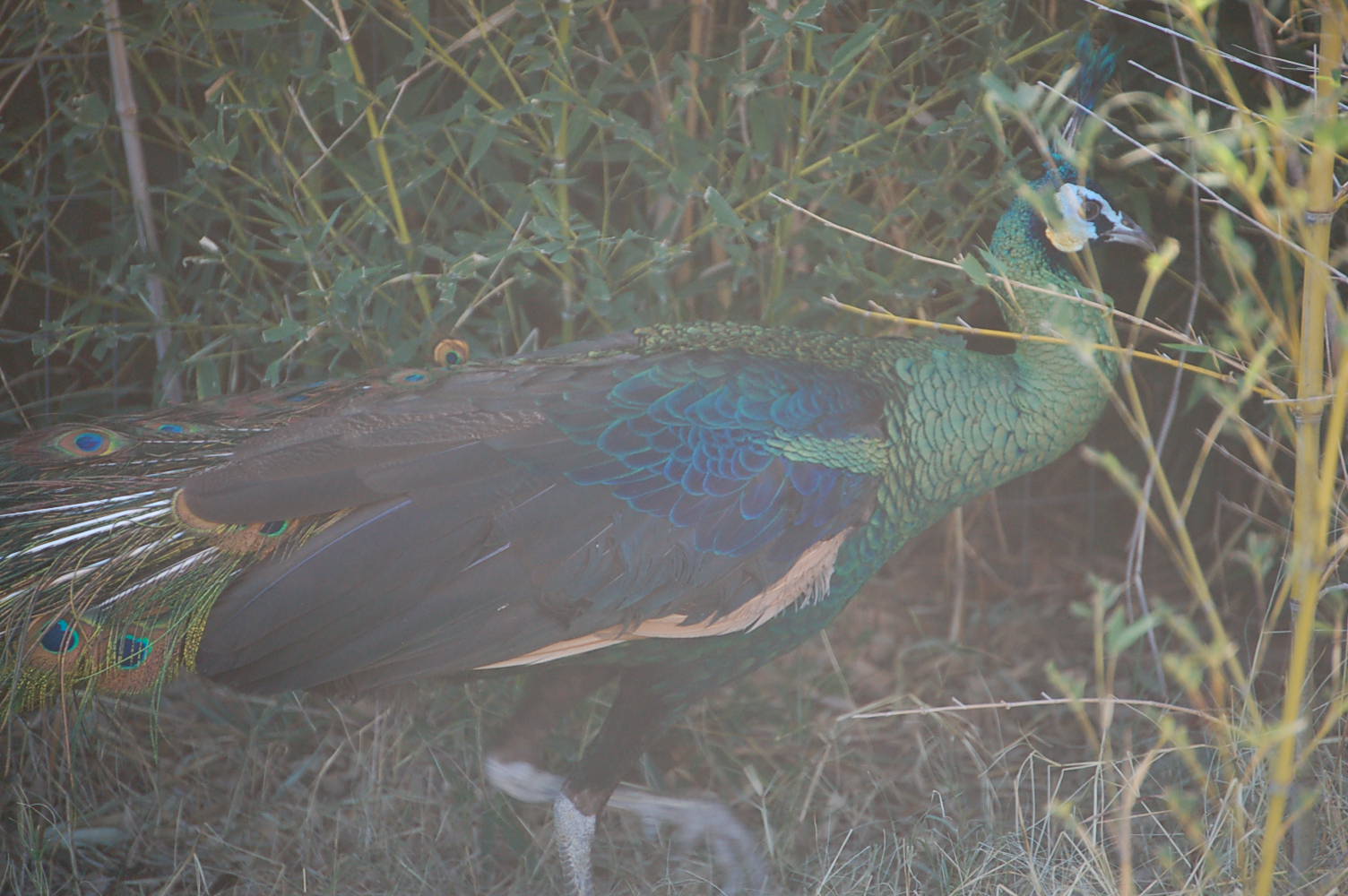
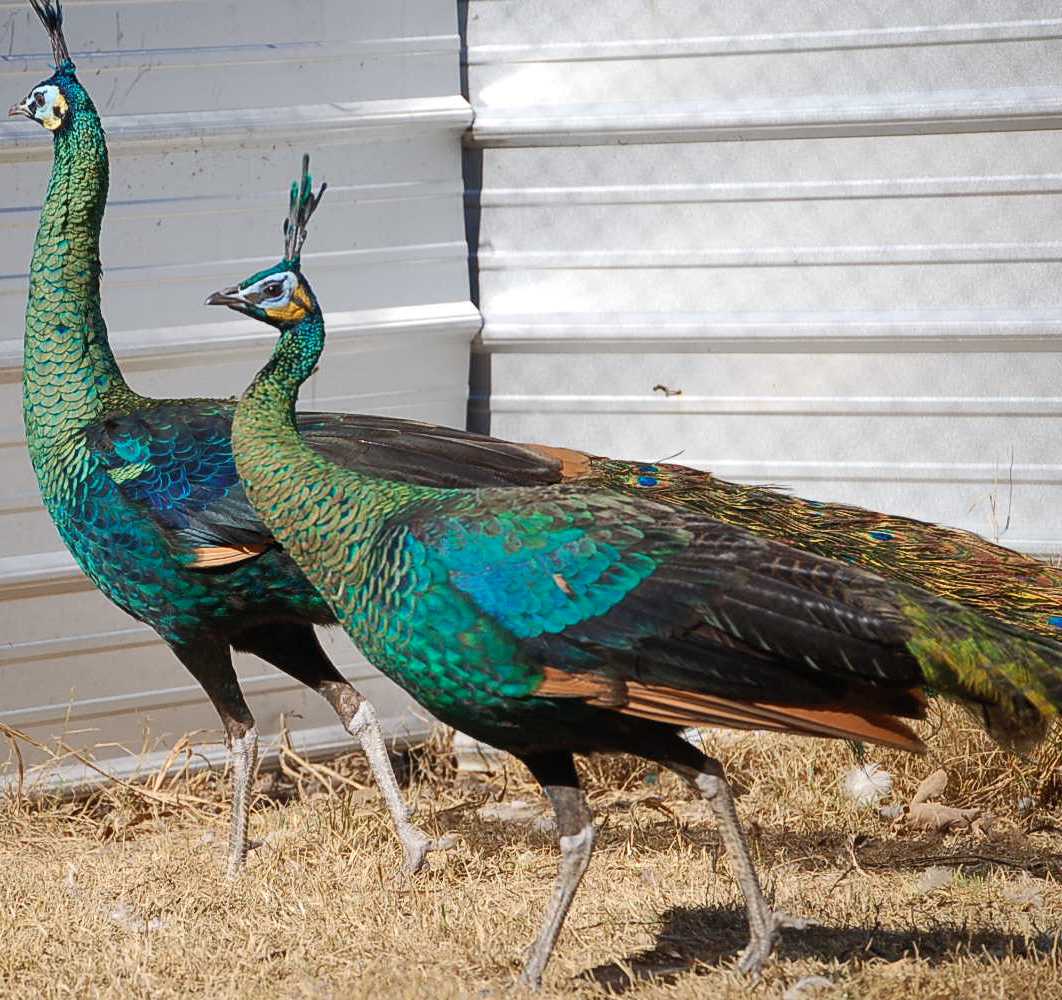
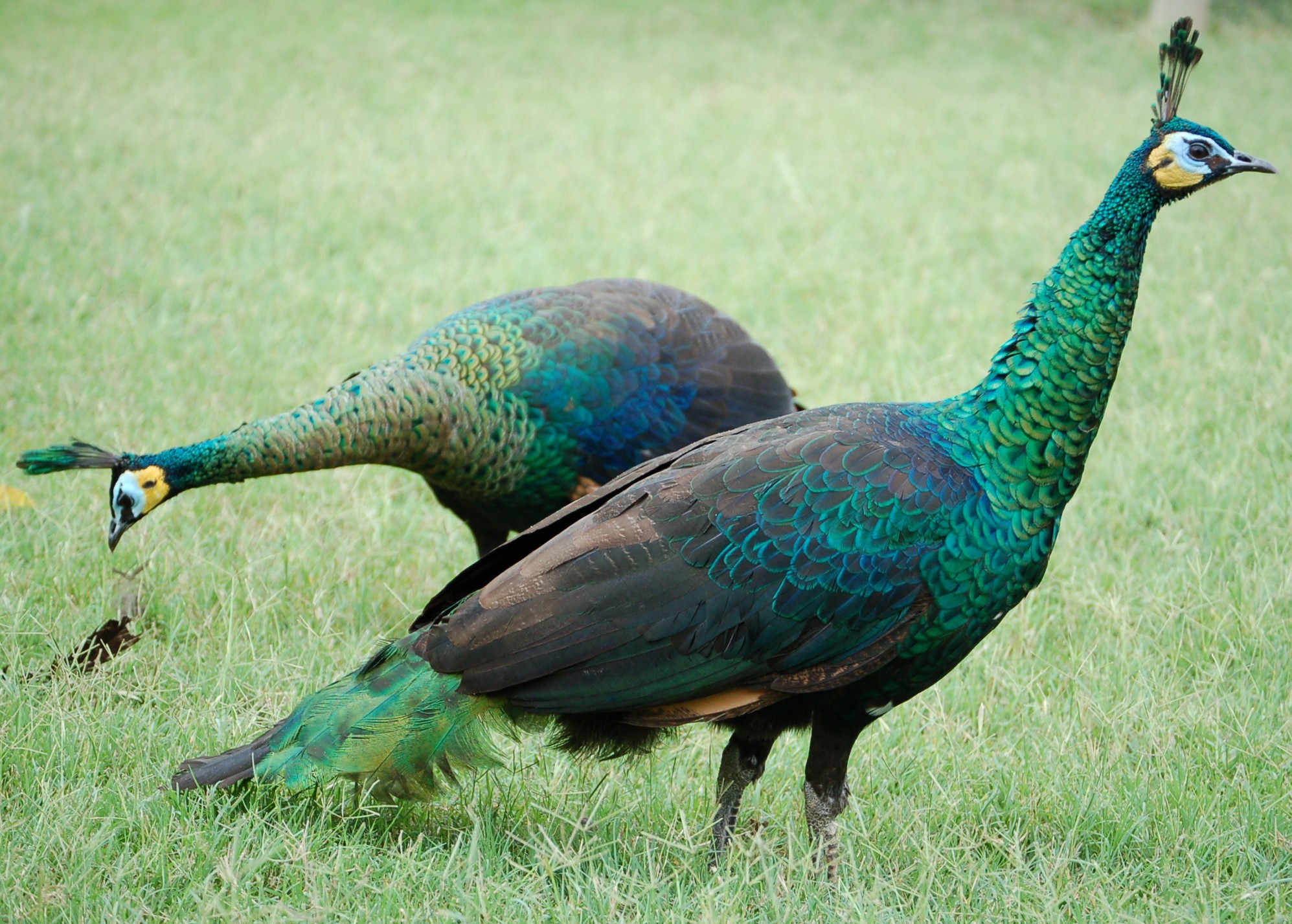
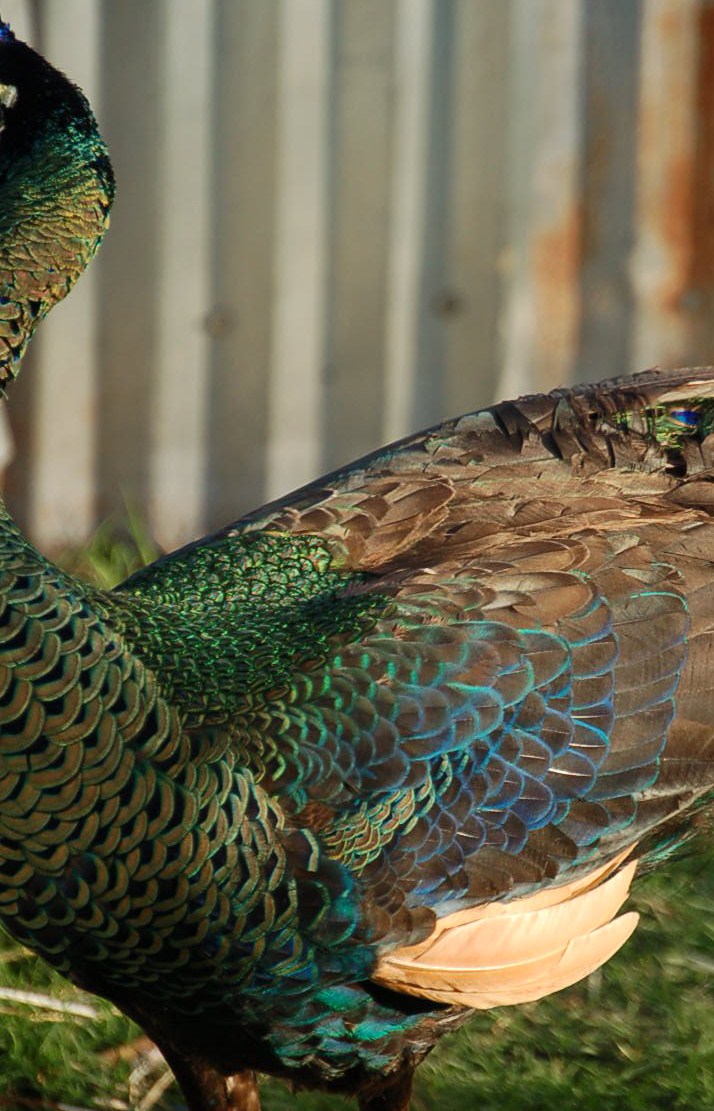
The above bird was probably the best in America... no longer with me but, is a good example of what you want... tall straight crest, blue and yellow face markings, long legs. The top of back where wings meet... there should be no barring on back or wings... just a solid dark black brown.
Pictures below as well most all of this web site is to give some context to the peafowl conversation... should you be interested.... in this case Java... regardless what species .... Muticus, Imperator or Burmese.
1)
Muticus muticus ... Southern Mylasia
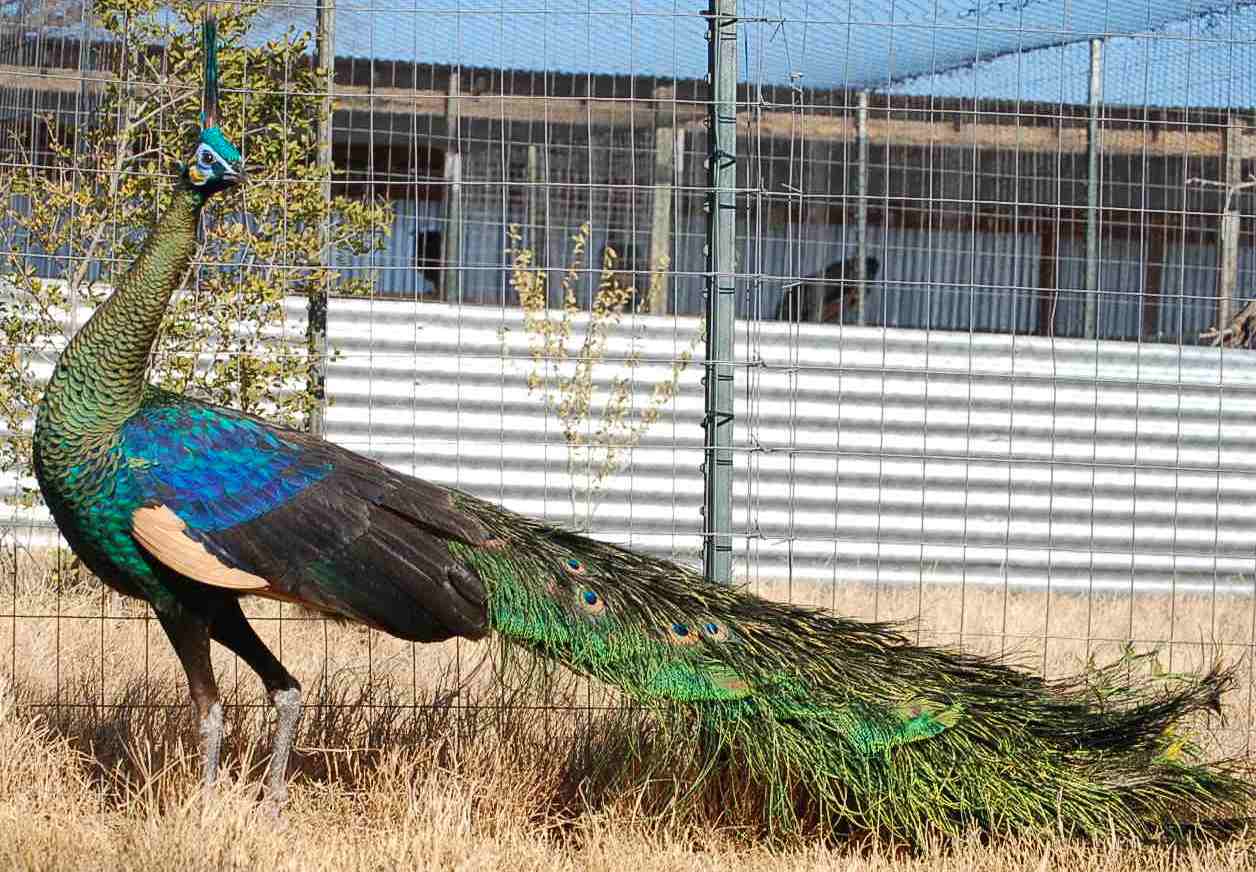
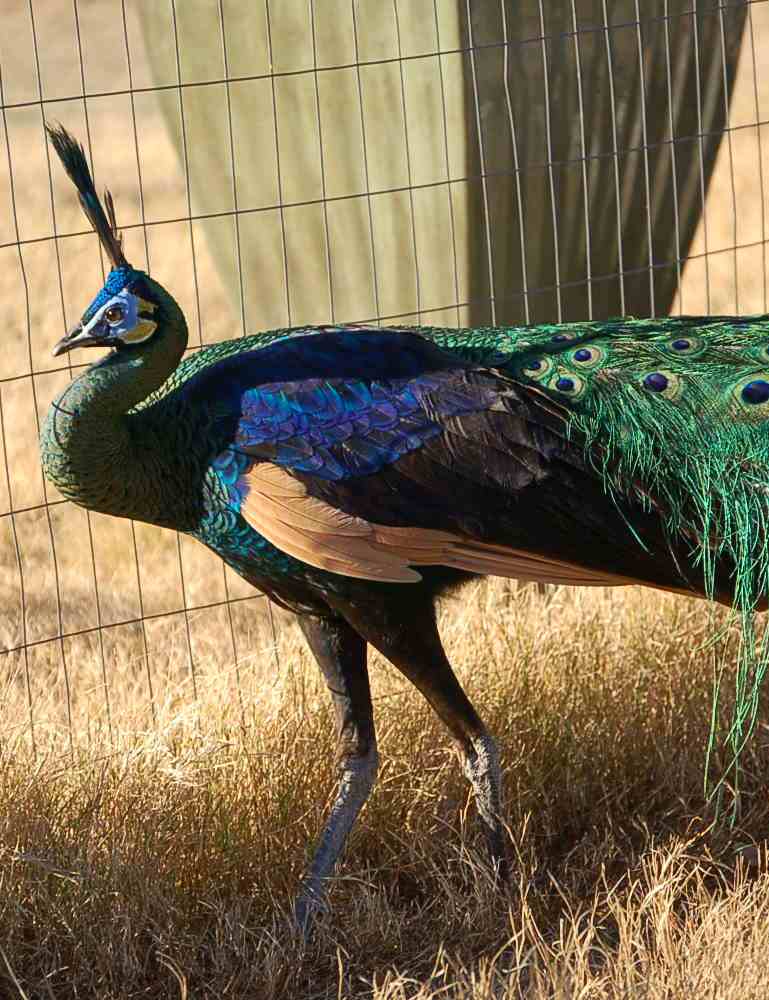
* shoulder feathers, solid blue, green male
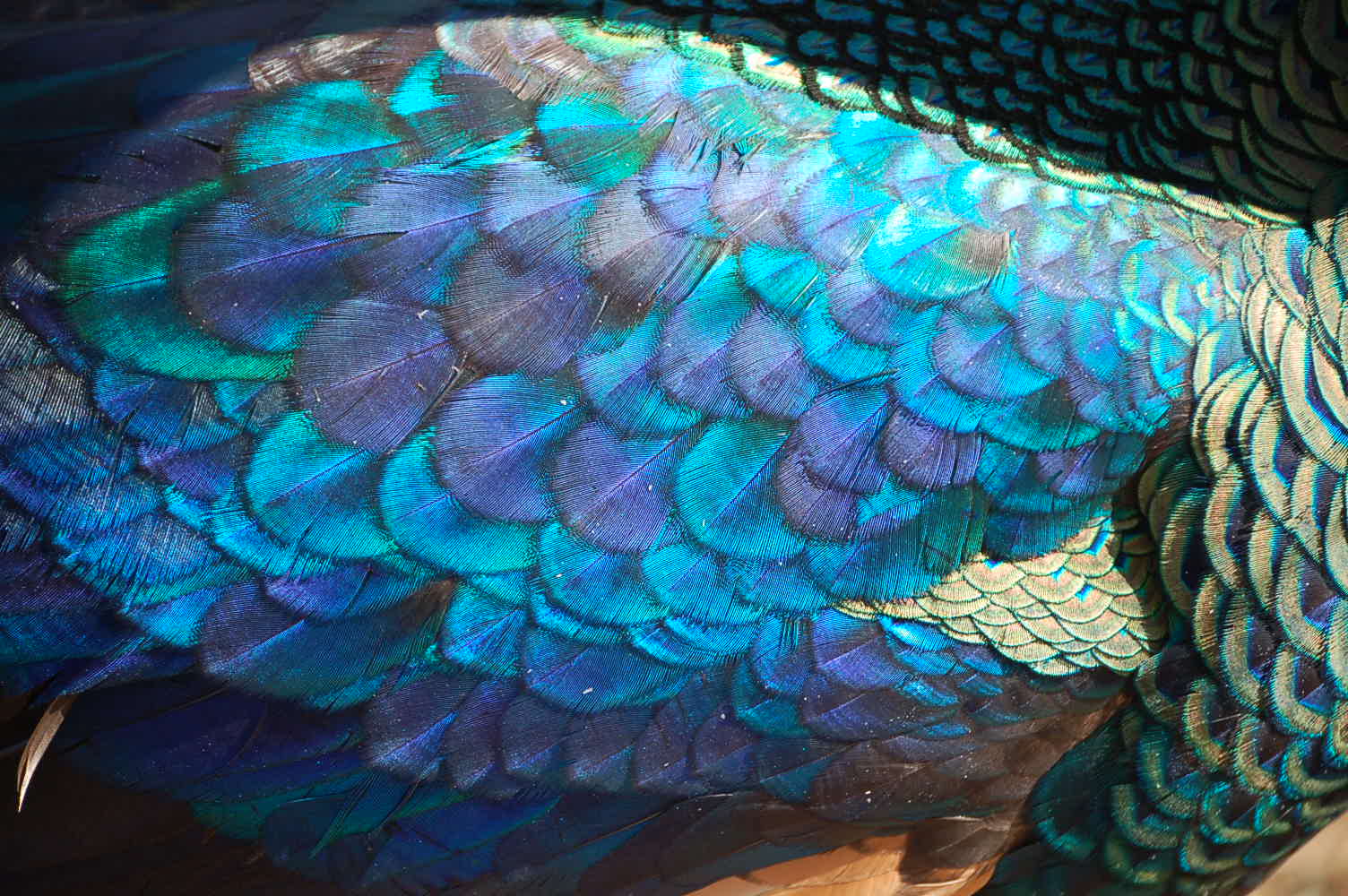
* no sun, solid blue wings notice the clean head/neck line... no blue, clean distinction of green only neck
2)
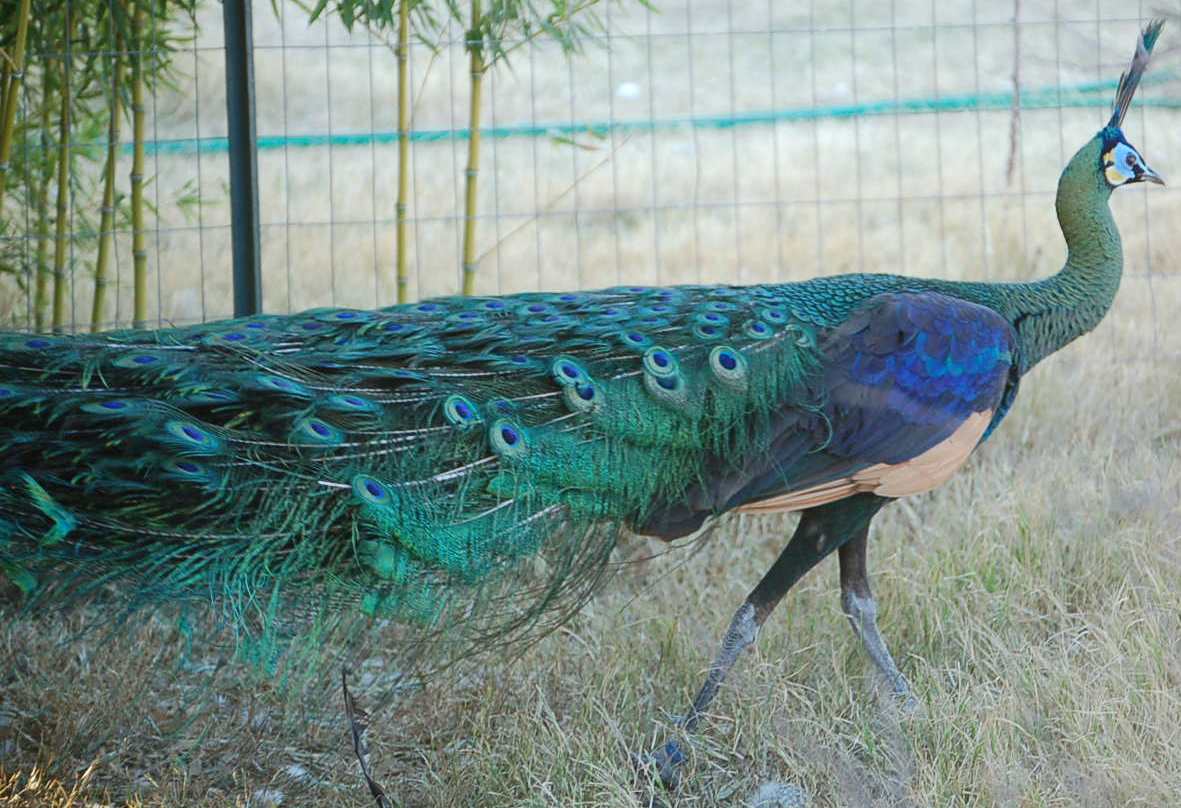
* 2 different genetic green birds one import one domestic
3)
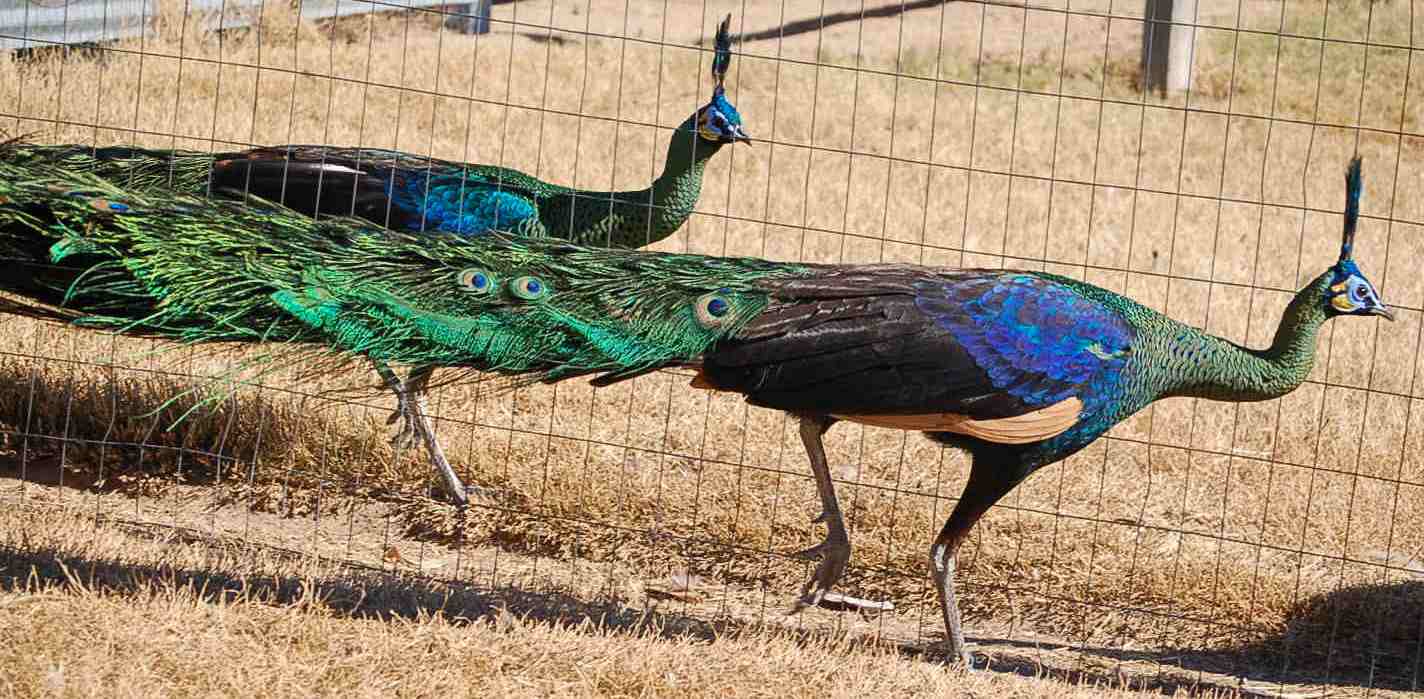
sent into the US as Muticus muticus but, this bird is a Burmese
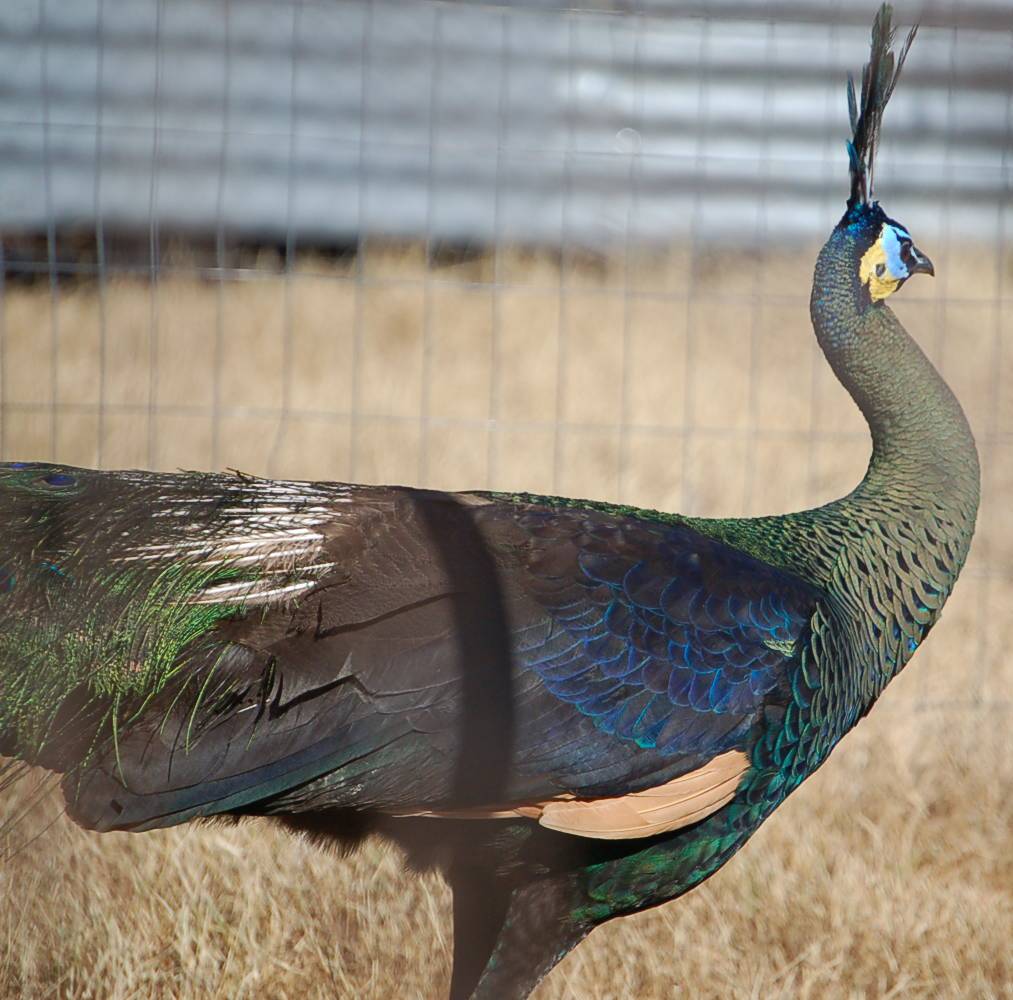
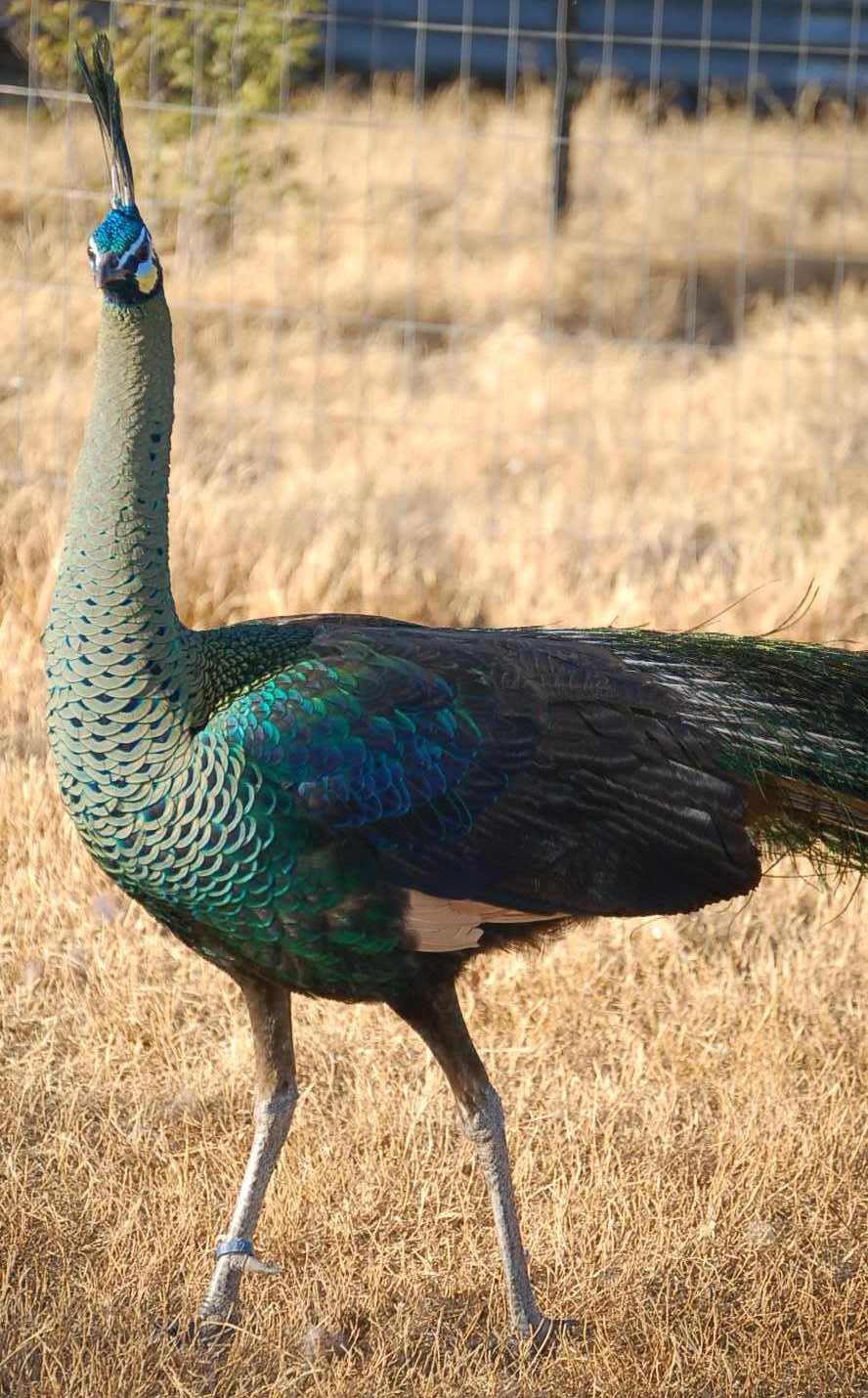
# set 2 darker wing feathers, green male

# set 2 yearling birds -2 species or one?
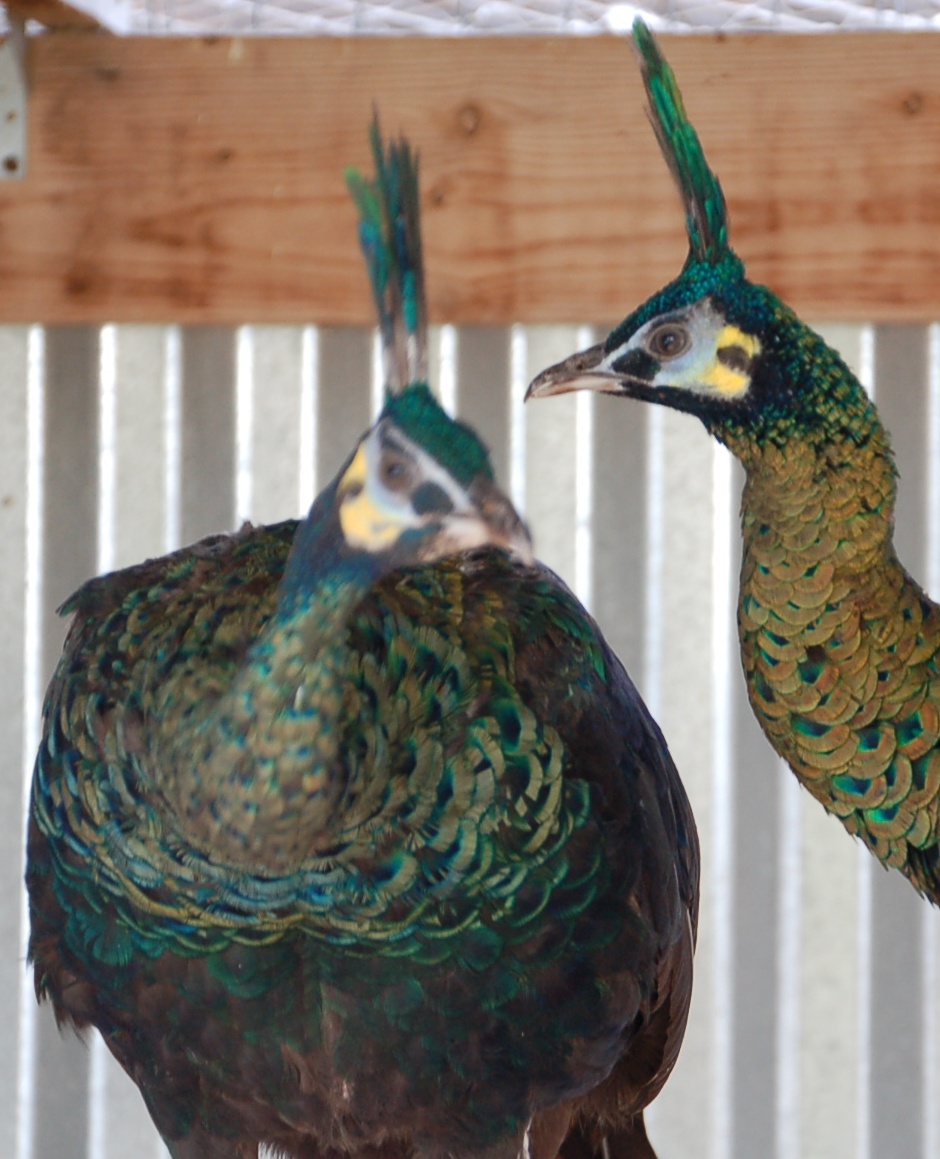
# set 2 yearling bird, notice end of scale feathers
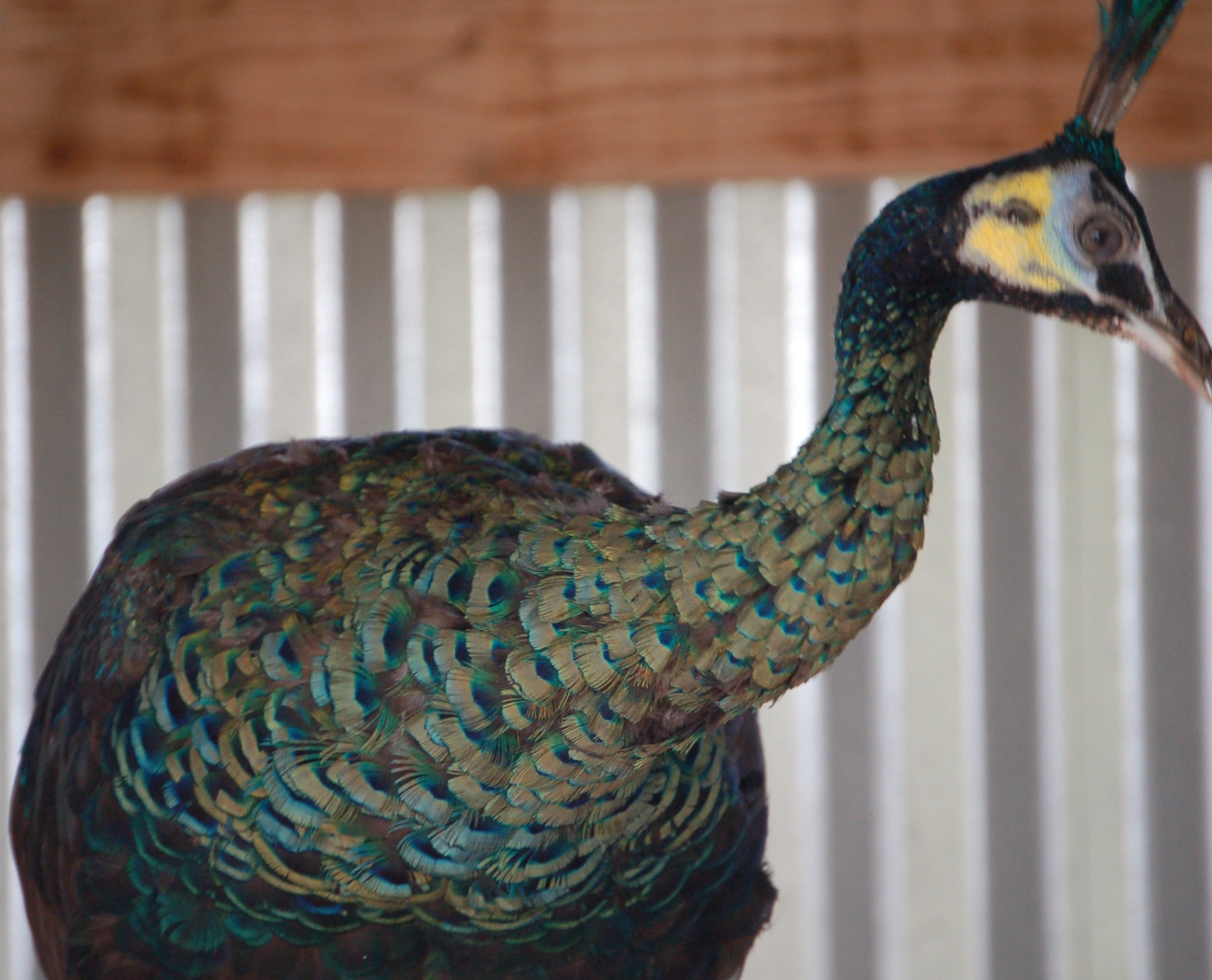
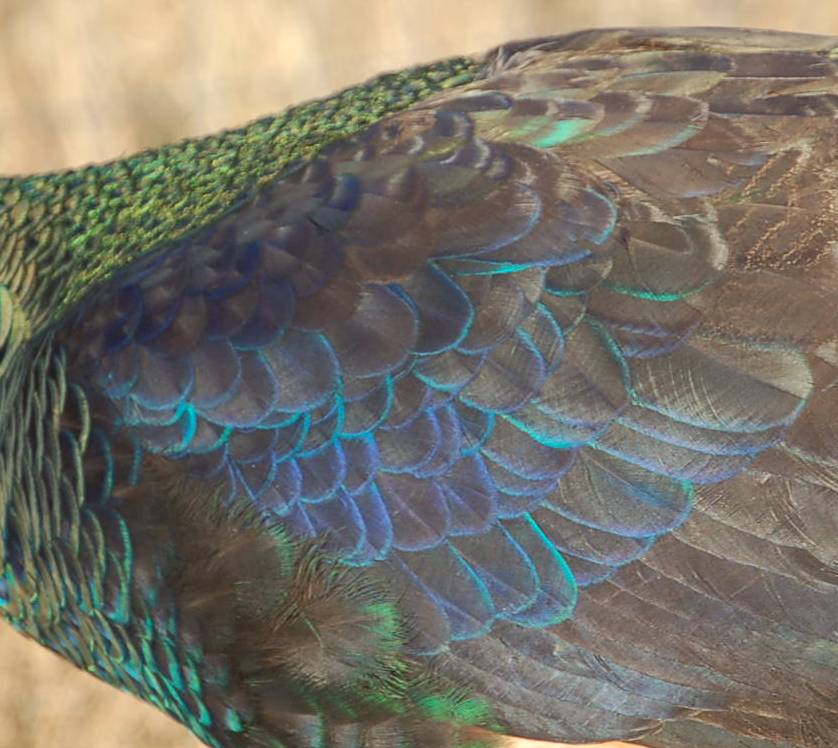
Burmese... the feathering on the wing would indicate Burmese influence but, on a pure Burmese the neck would have a more dark blue/purple. Dark wings (black) ringed in blue.
4)
What you might expect in America.
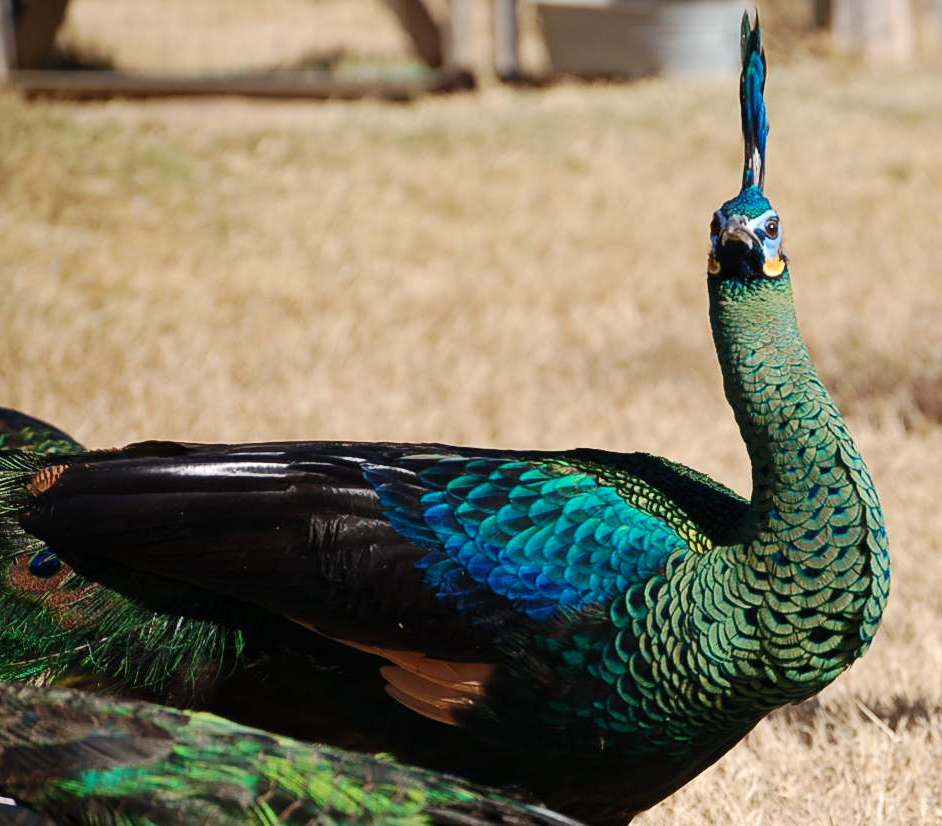
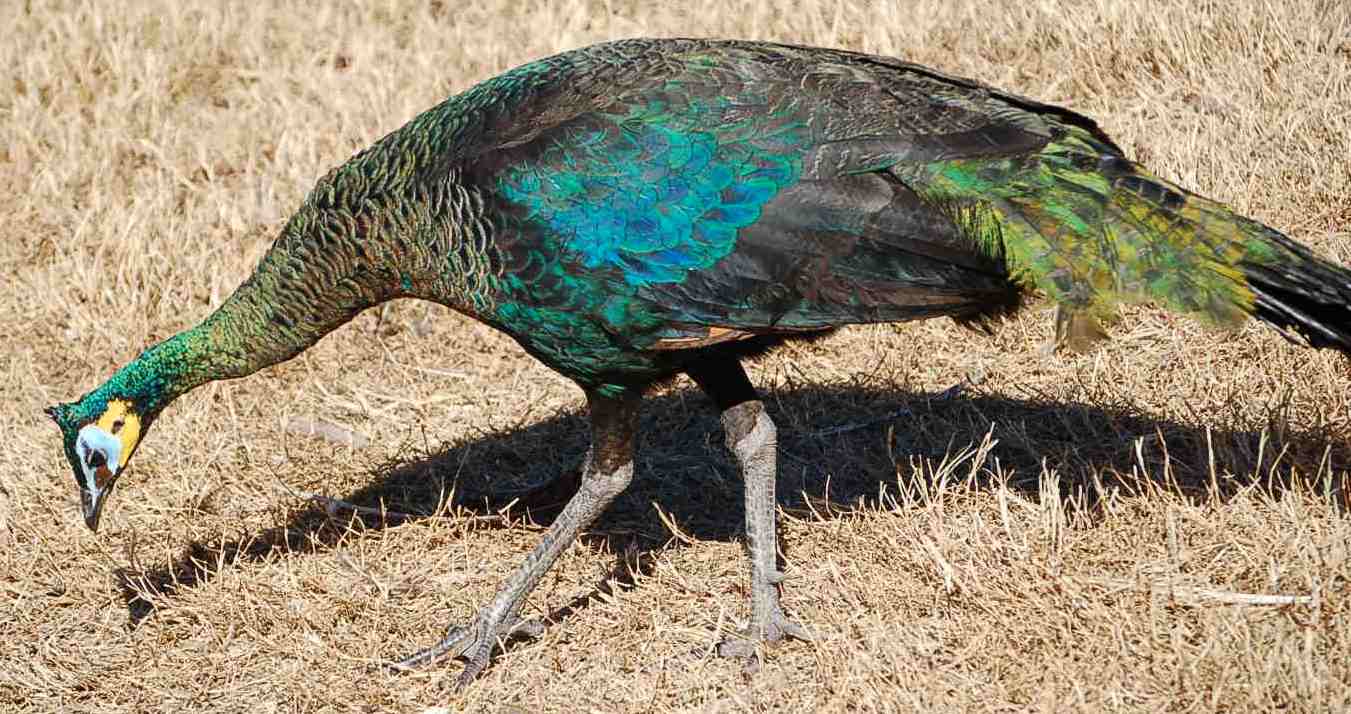
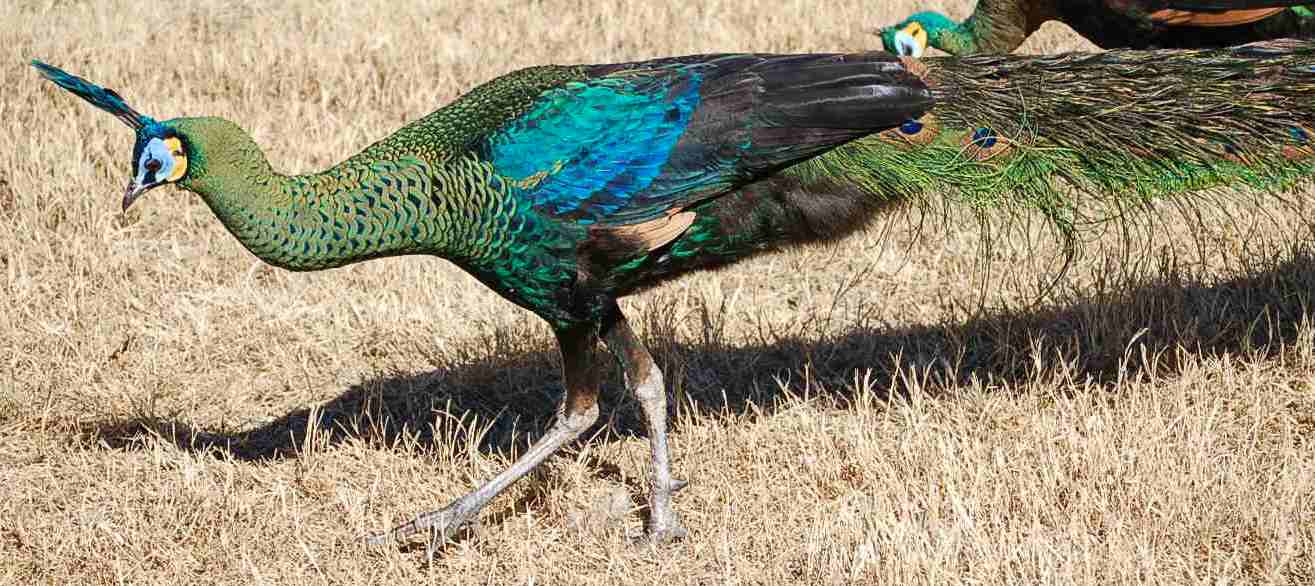
Strong colors, product of line breeding?
5)
| Below
This is what you don't want,.. no amount of breeding will make these or the offspring pure greens... they are hybrids. Our intent is to show how easy someone can get off course. In this situation it is best to just start over, slow down and make a more thoughtful decision on what your goals might be. shoulder feathering green peacockshoulder feathering green peacock on the left, green peahen on the right Notice the feathering on the shoulder of the # 4 peacock… black-blue ringed with blue. What happens when one or two pair of peafowl is constantly inbred or every now and then the wrong green species was crossed? Go back to the first photo and see if you can see or tell a genetic drift? 6) My opinion is there are no pure Burmese in the US, other than the birds imported from the captive breeding program in Germany by Wolfgang. While several other serious breeders agree .... they preferred not to be mentioned by name to keep from stepping on toes... while we no longer have the US Burmese for this reason I would suggest saving your money and purchasing the Imported birds. Domestic Burmese hen notice the wing feathers... Burmese will have black feathering ringed in blue. Burmese peacock, wing feathering this picture is to show the feathering of the wing... note how the feathers are black ringed in blue while the Pavo muticus is all blue. To add further debate on what species are in America go to this link for a controversial twist. www.animalpicturesarchive.com/view.php While some are wild green peafowl...many of the pictures are of hybrids posing as pure... as is the case of the internet not every thing is perfect or true... you yourself could post pictures or stories... before time it would be gospel. |
||