

|
|
|
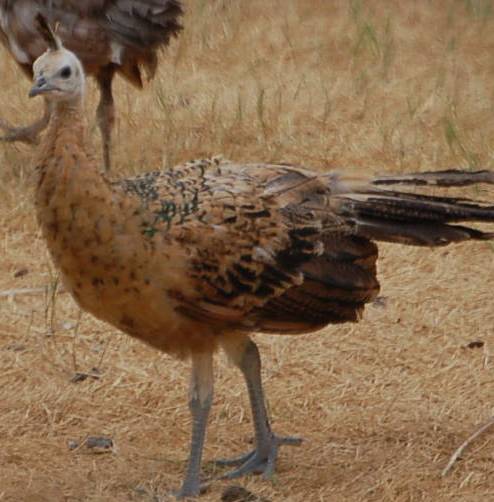
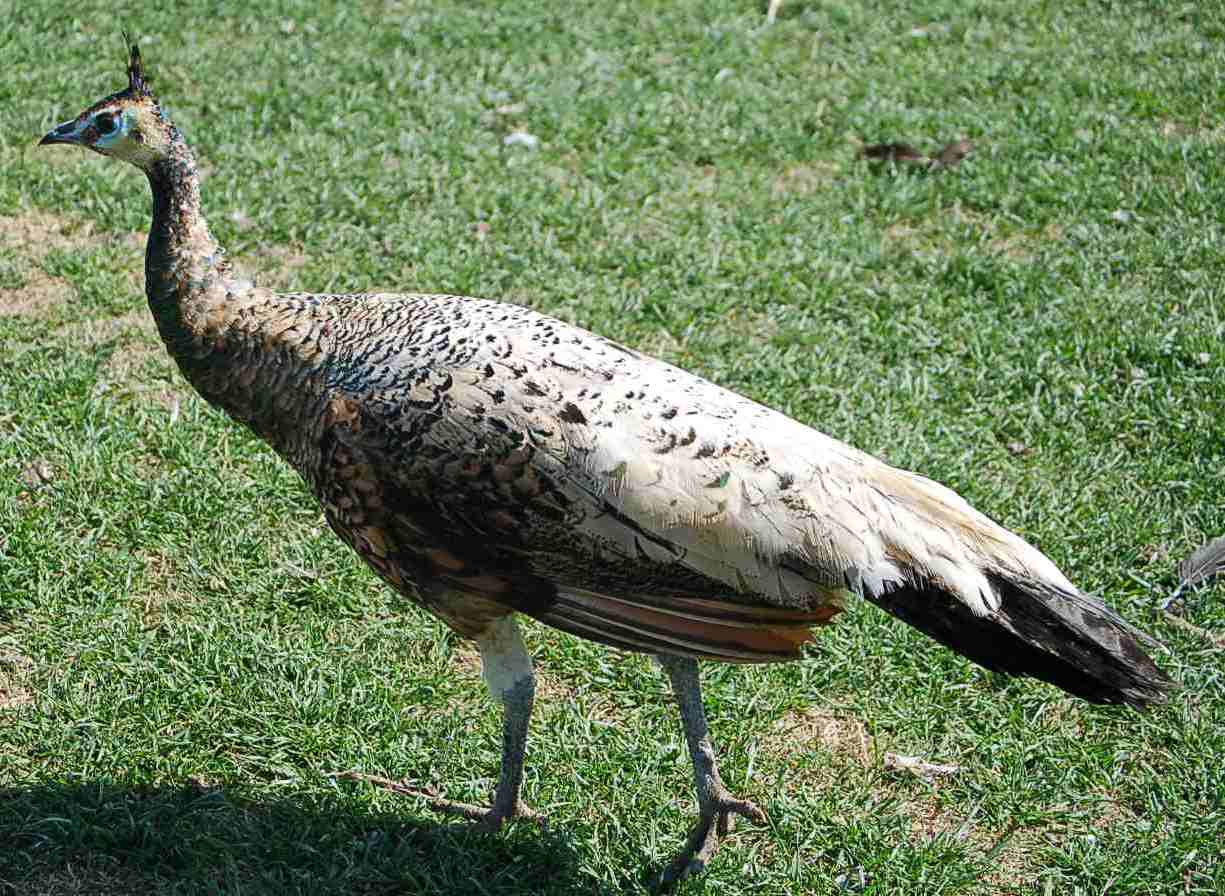
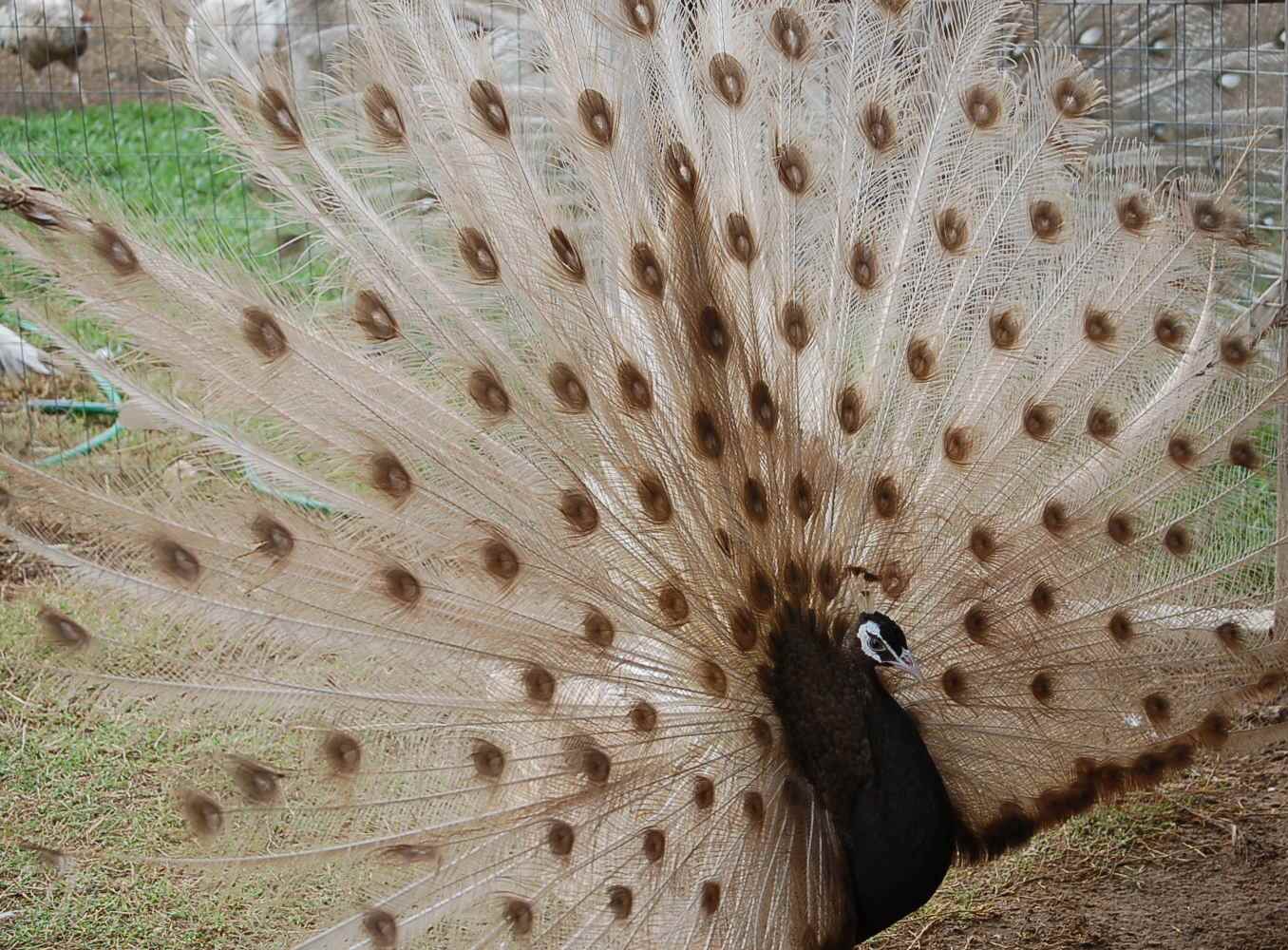
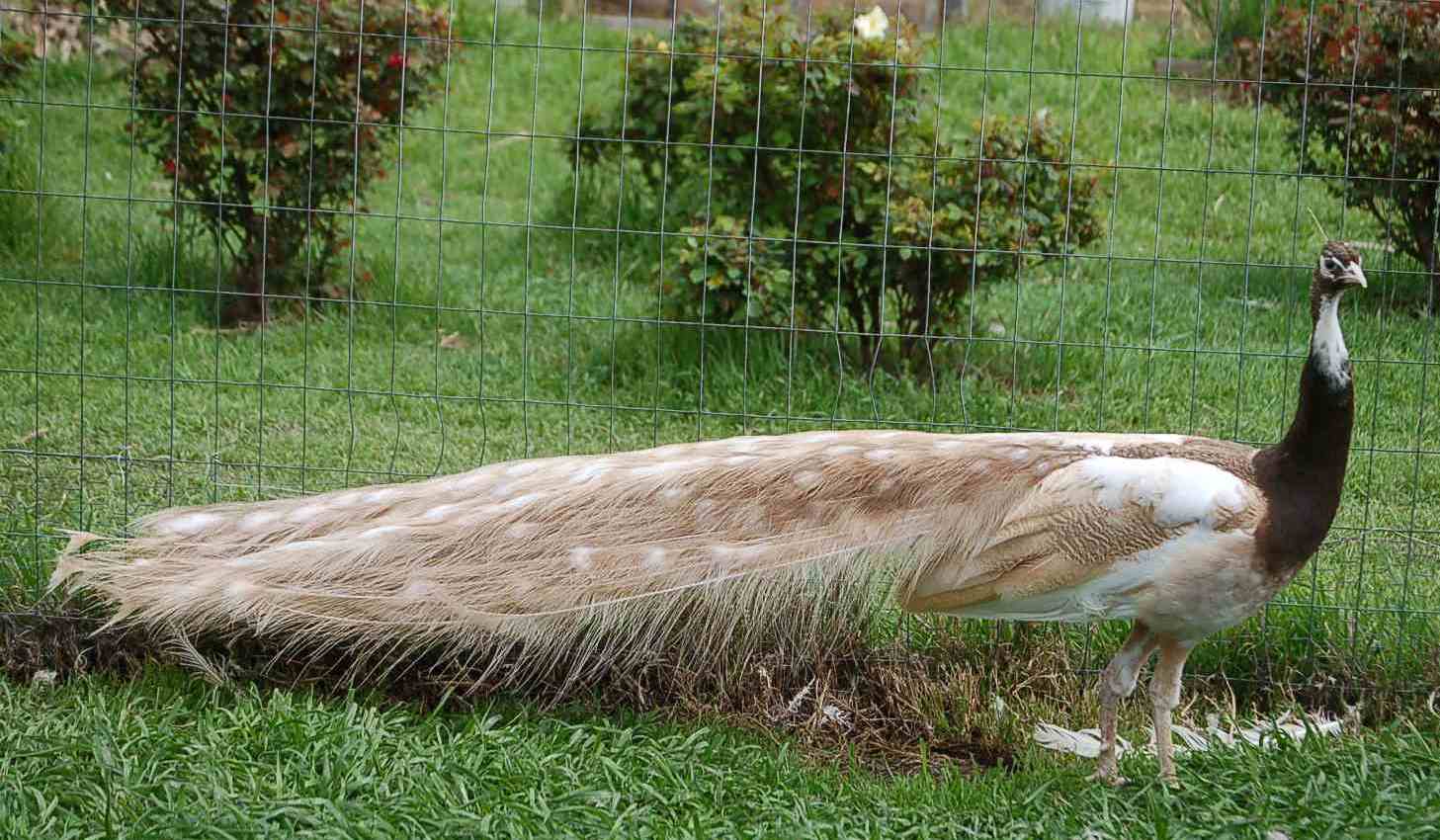
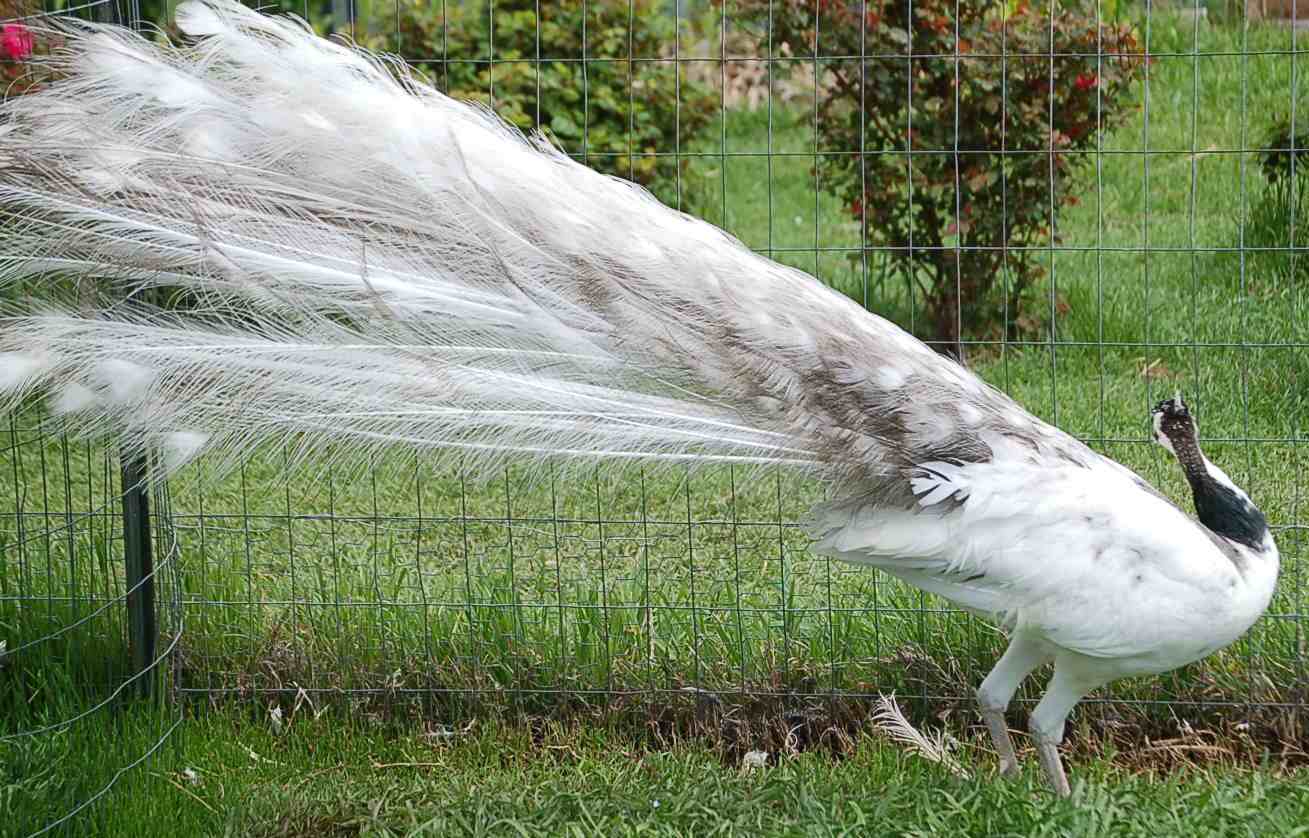
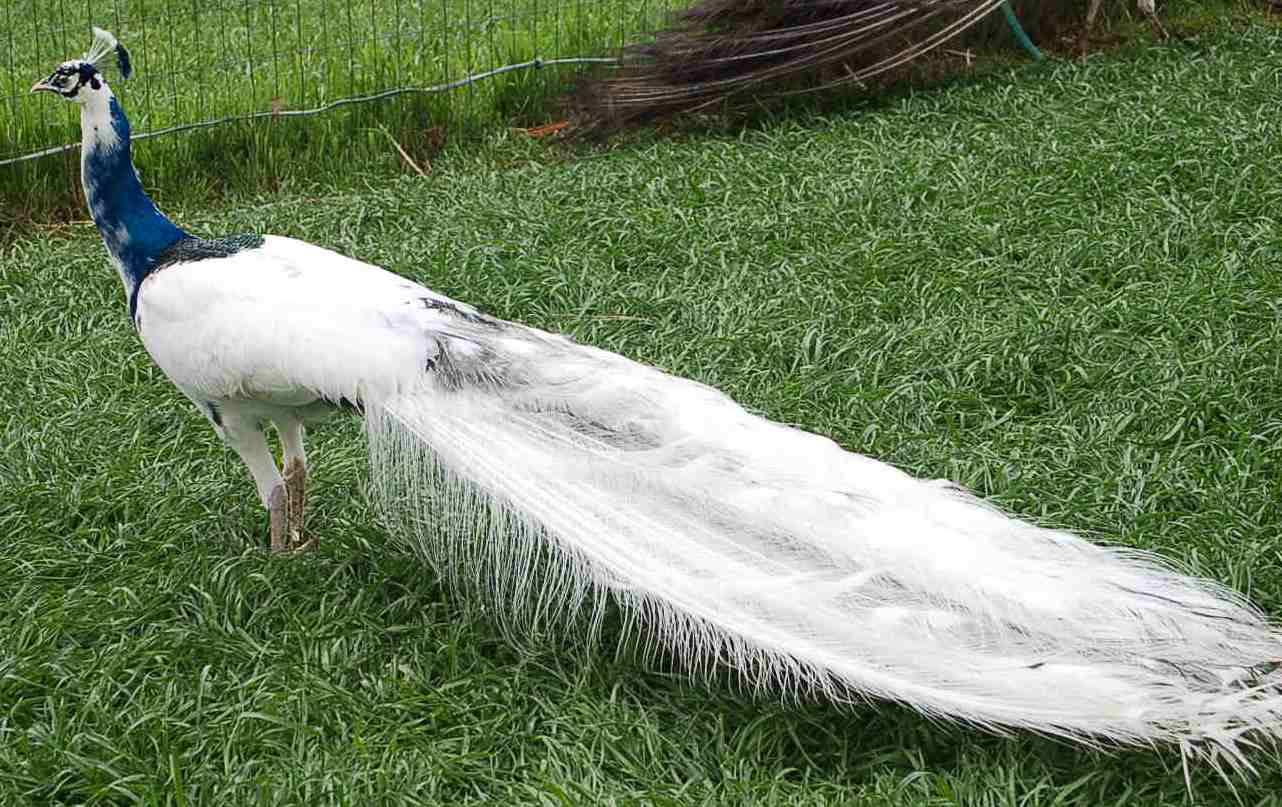
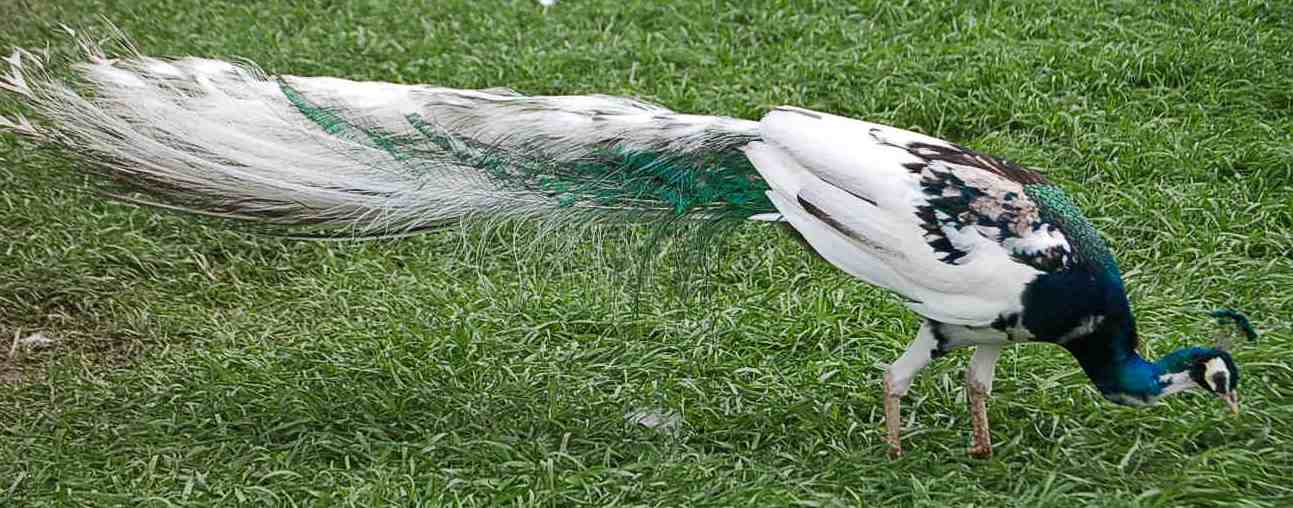
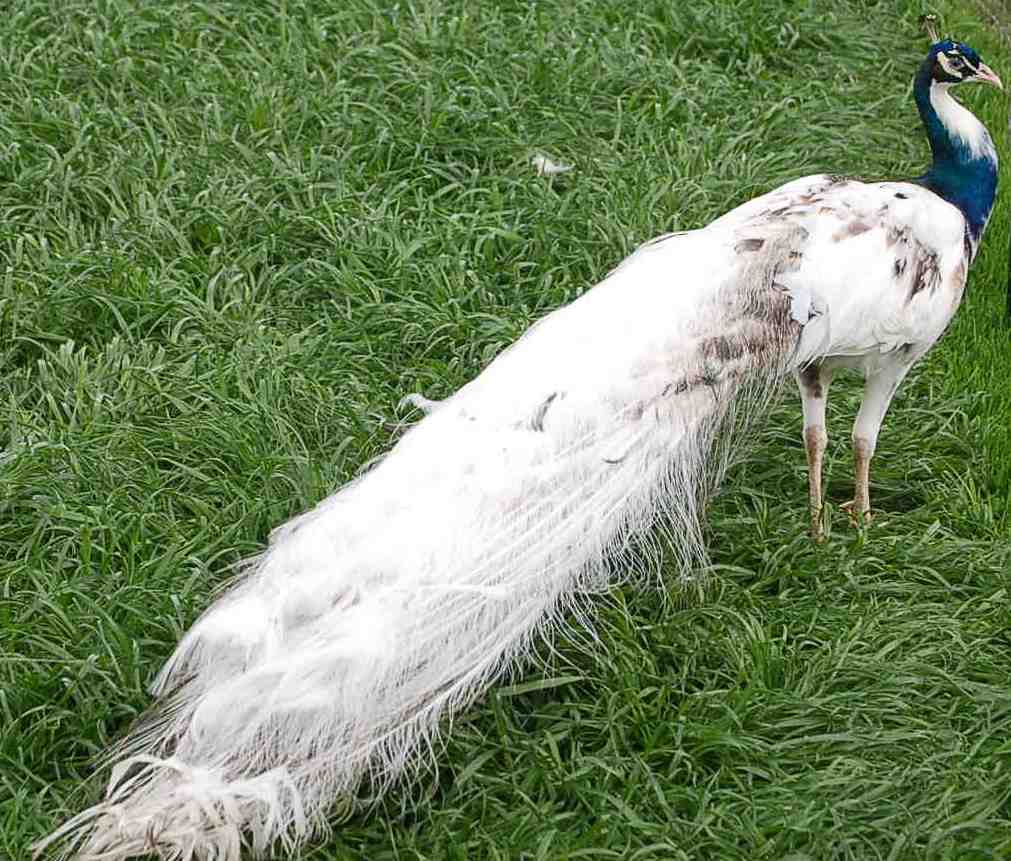
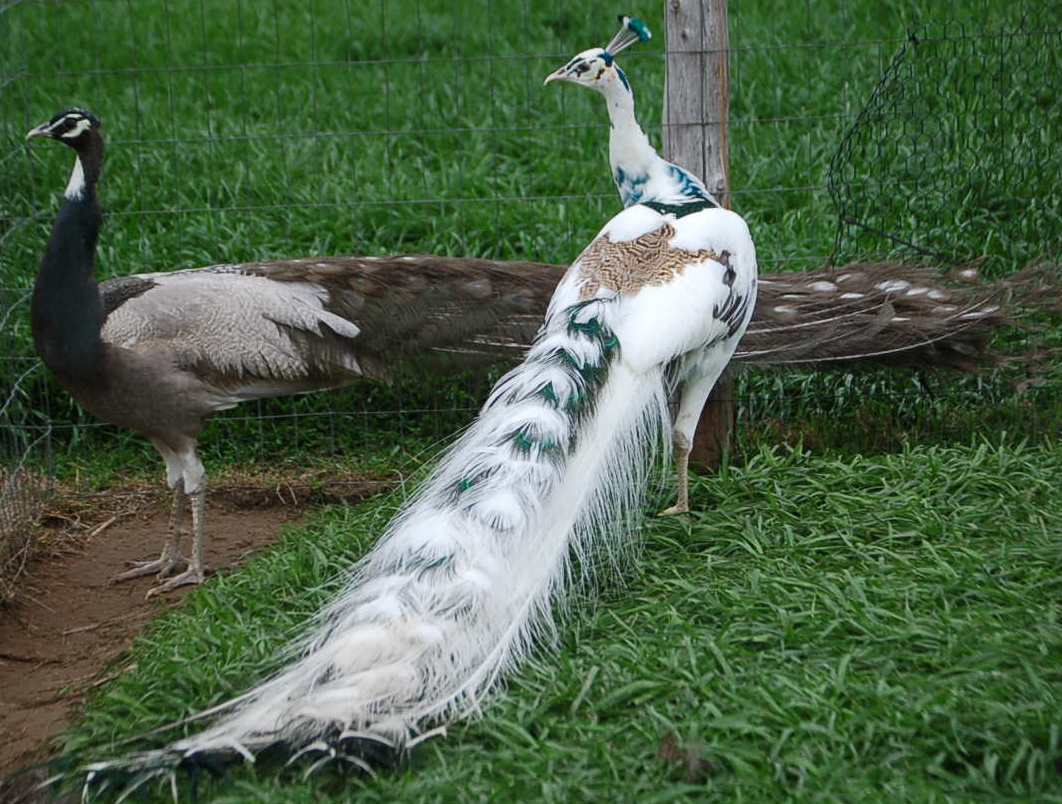
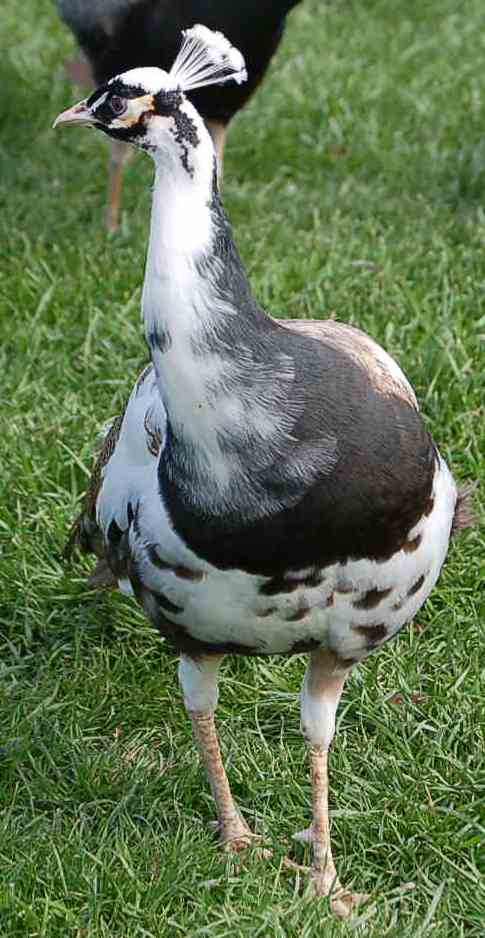
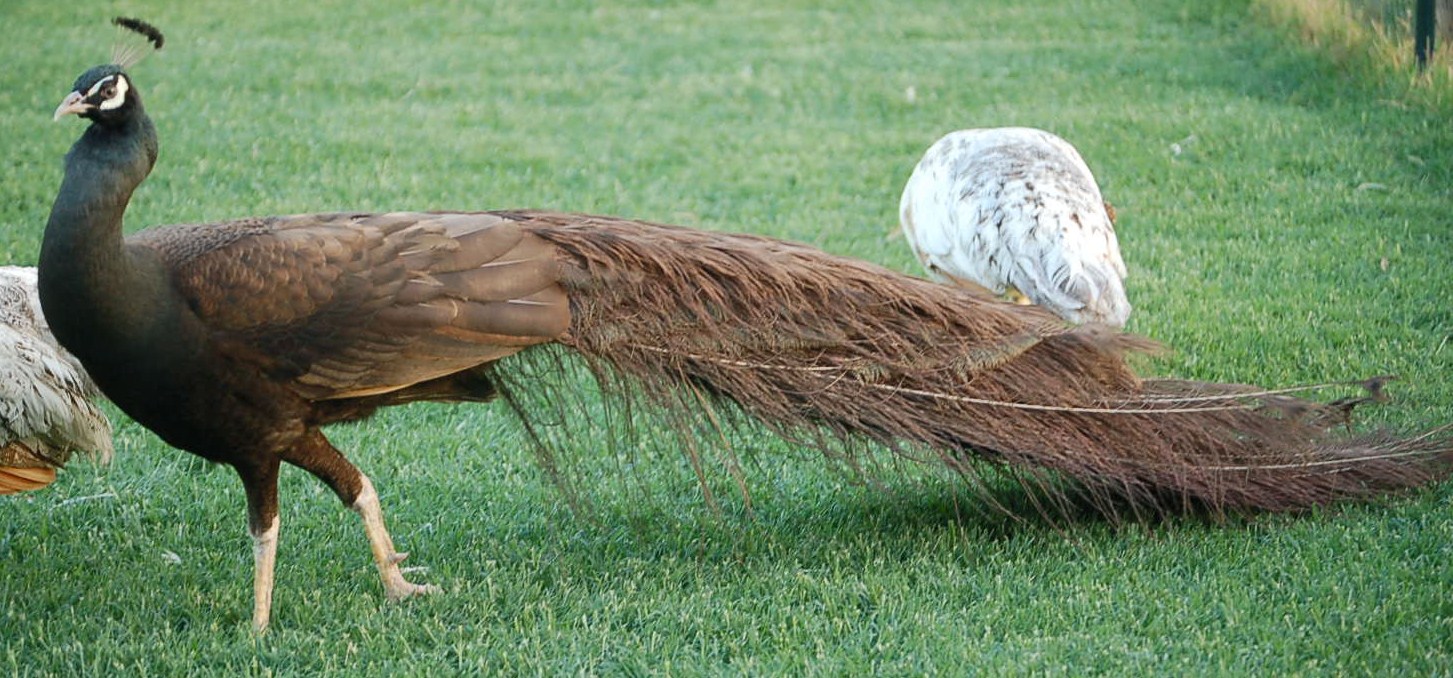
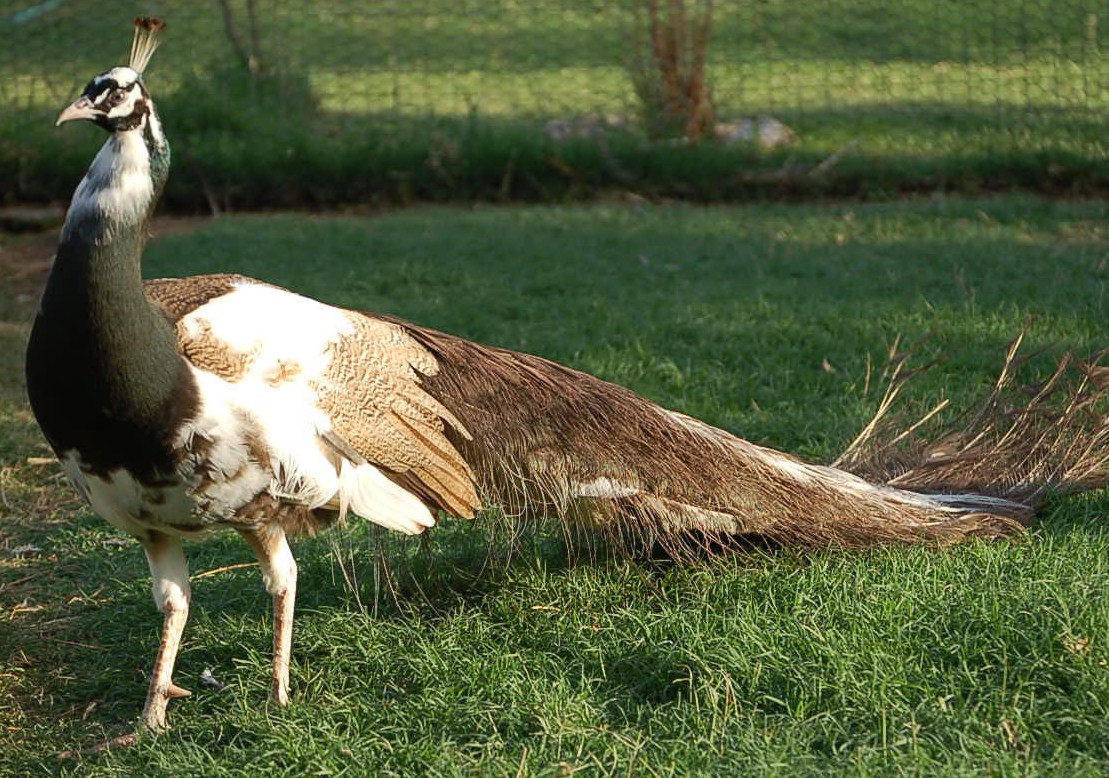
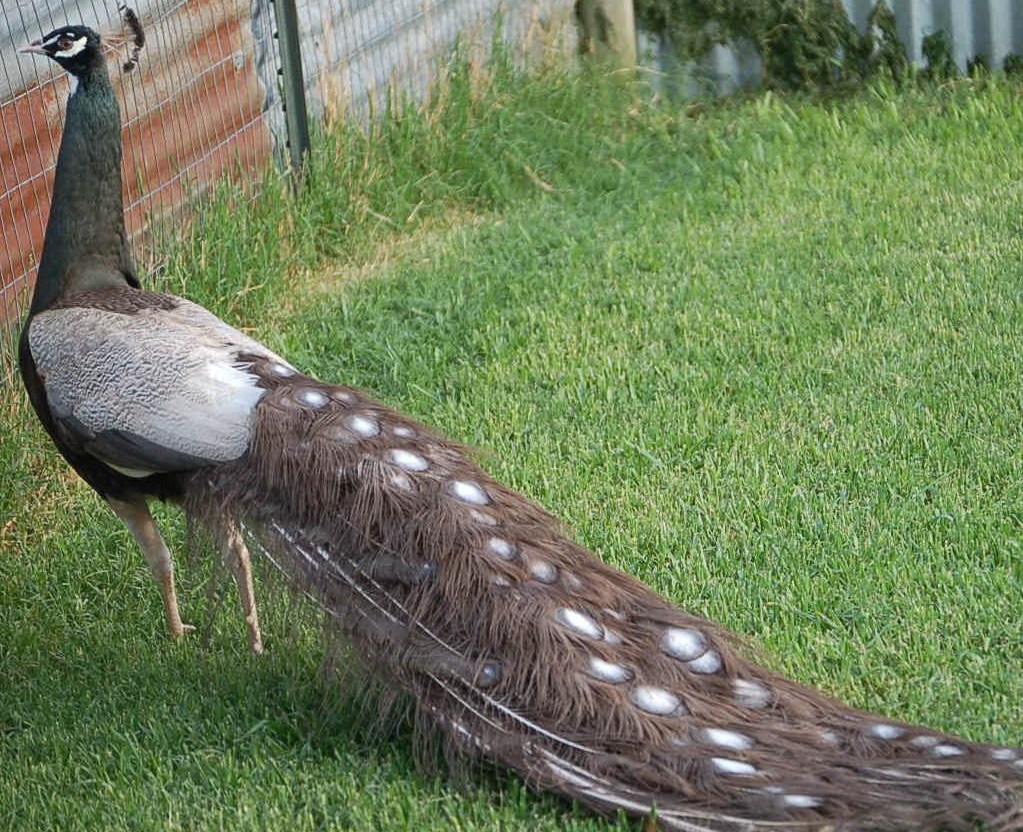
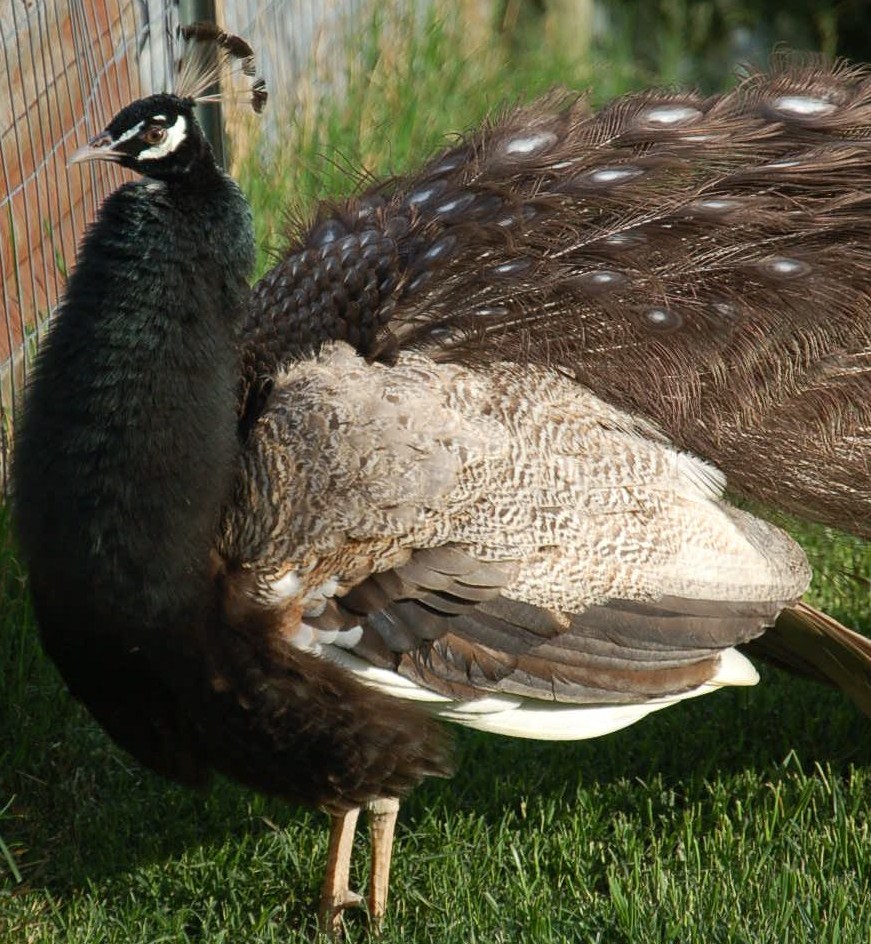
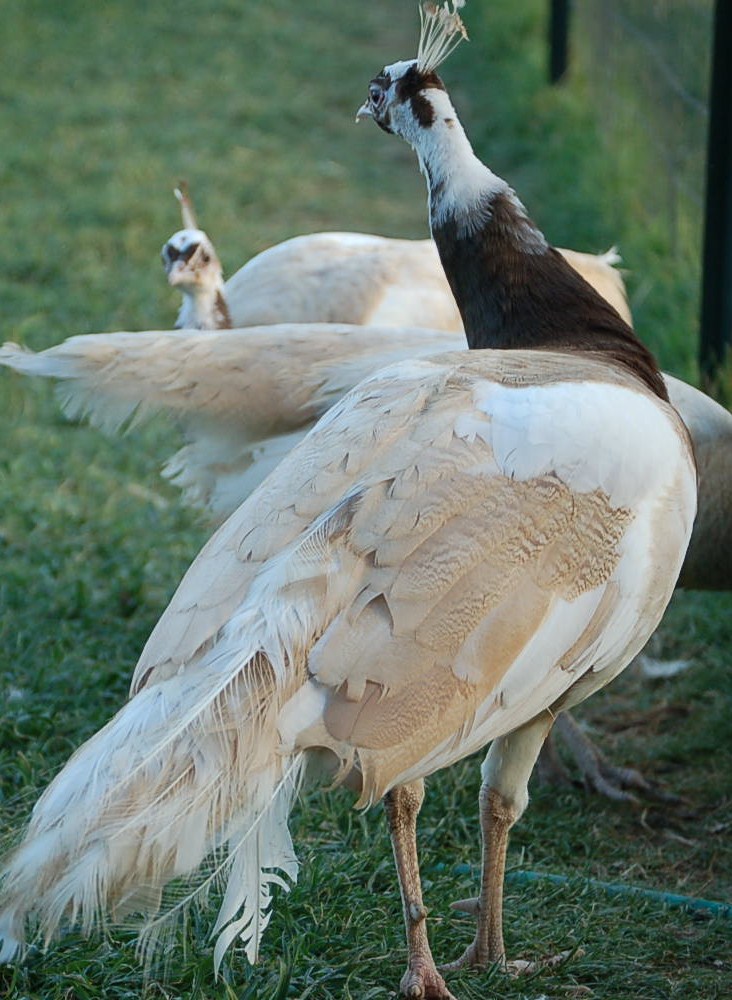
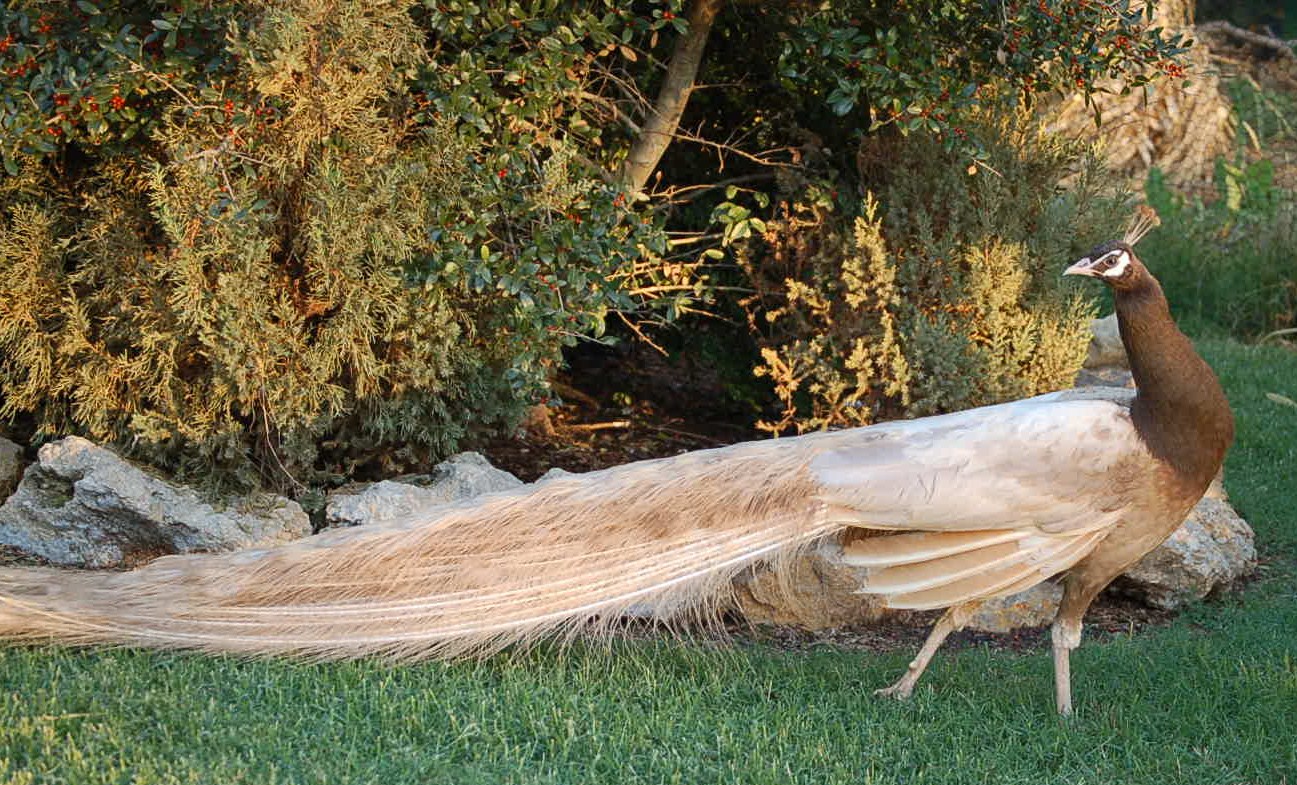
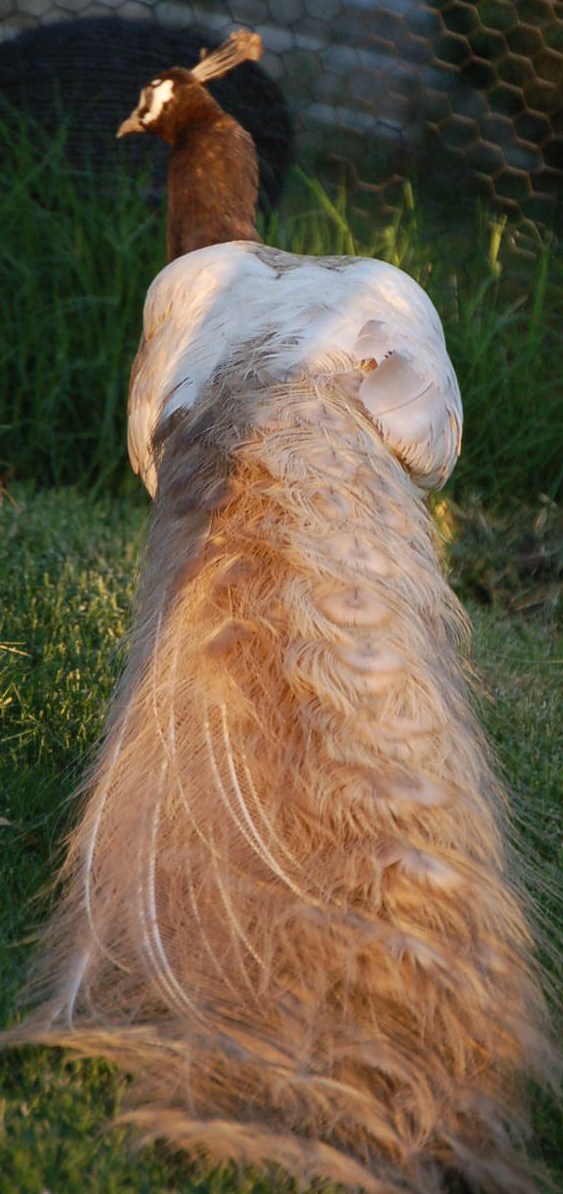
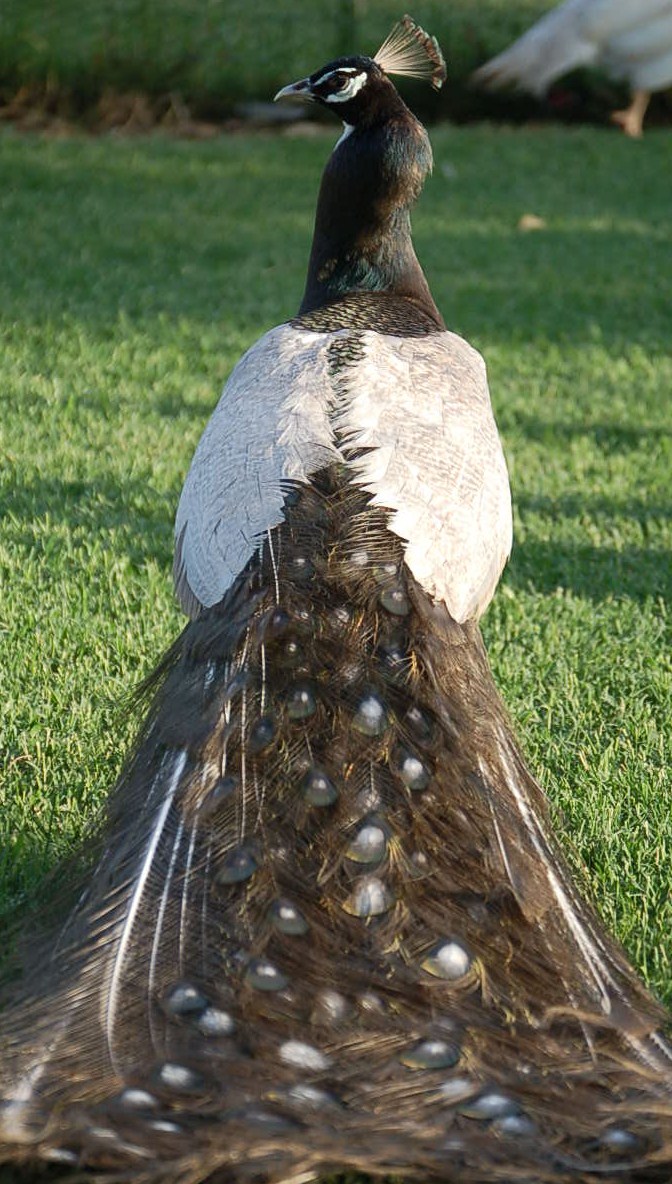
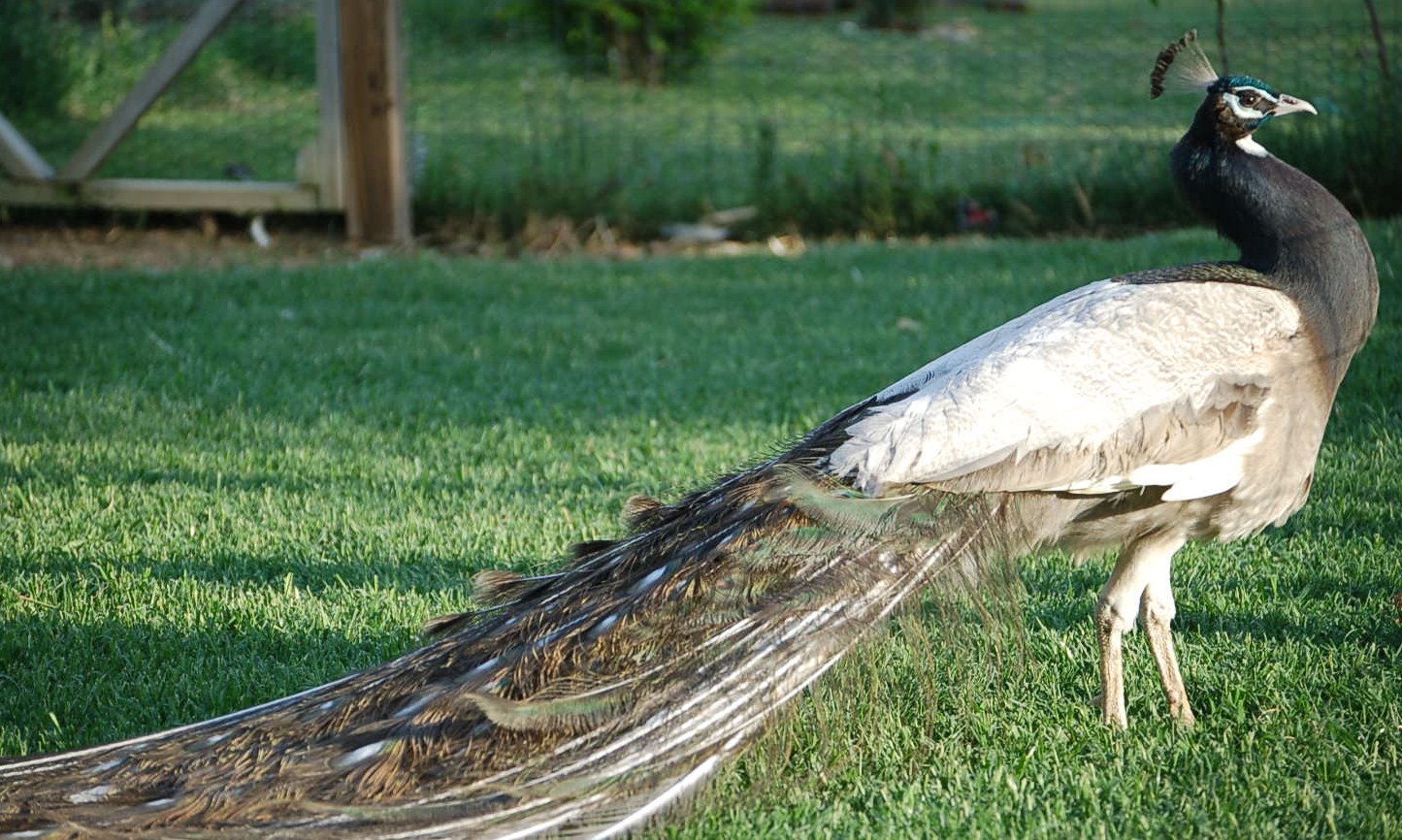
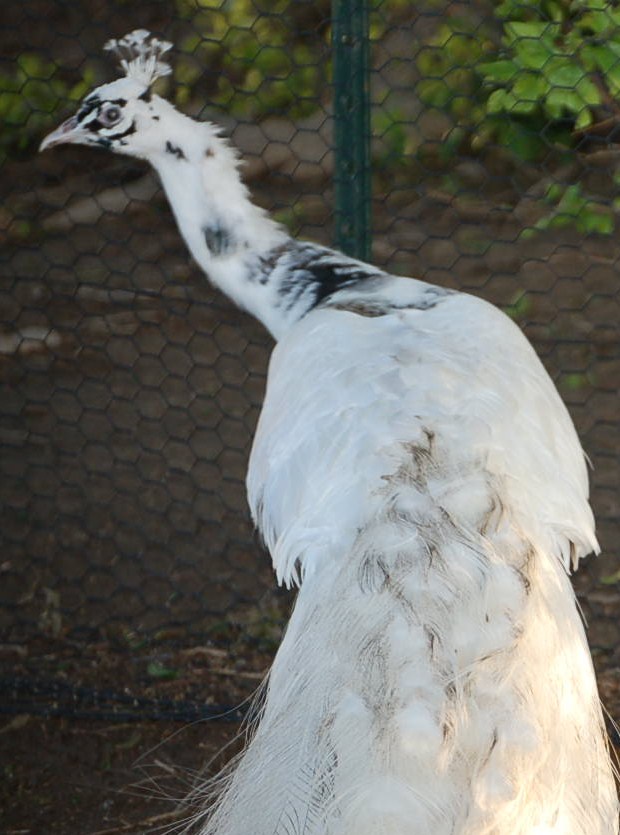
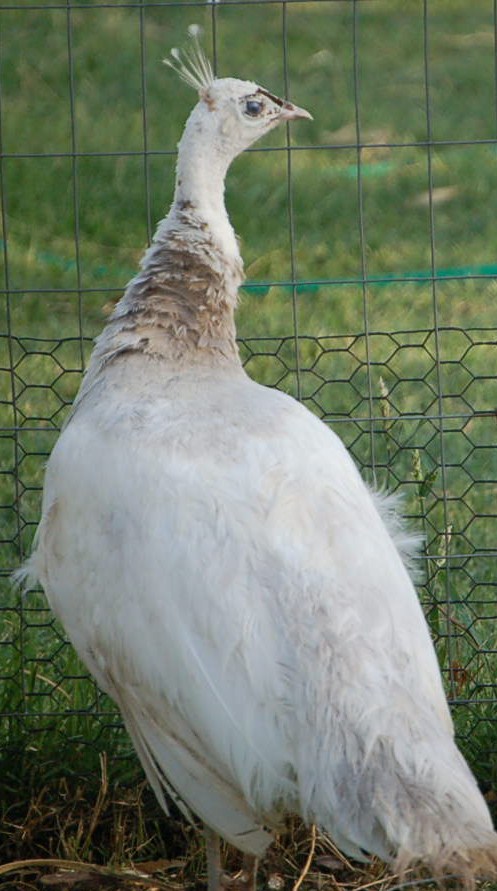
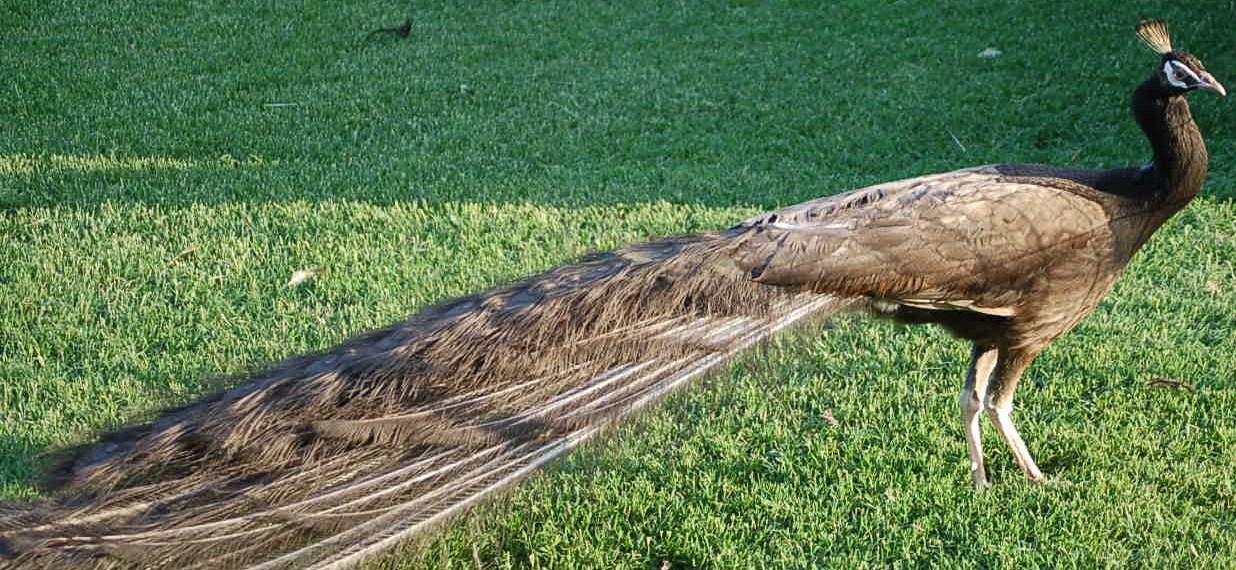
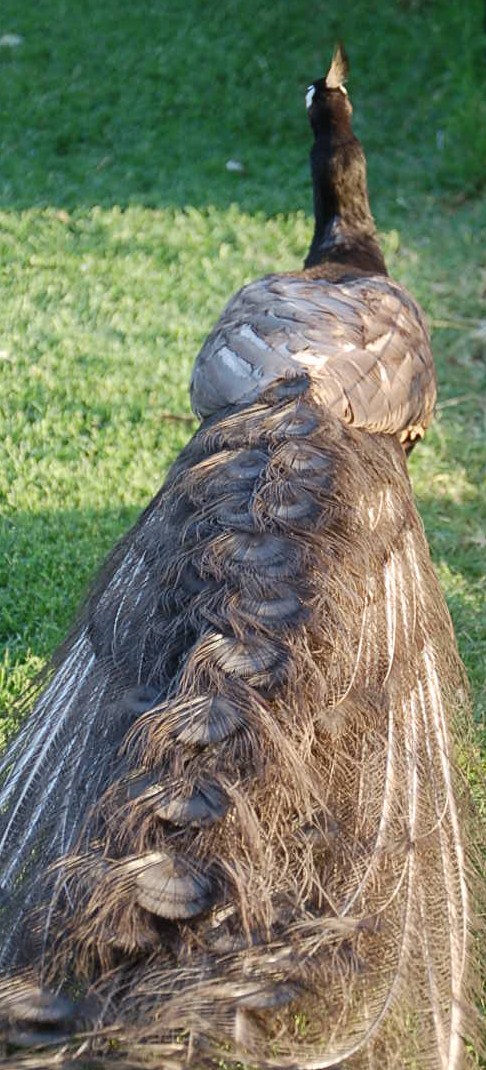
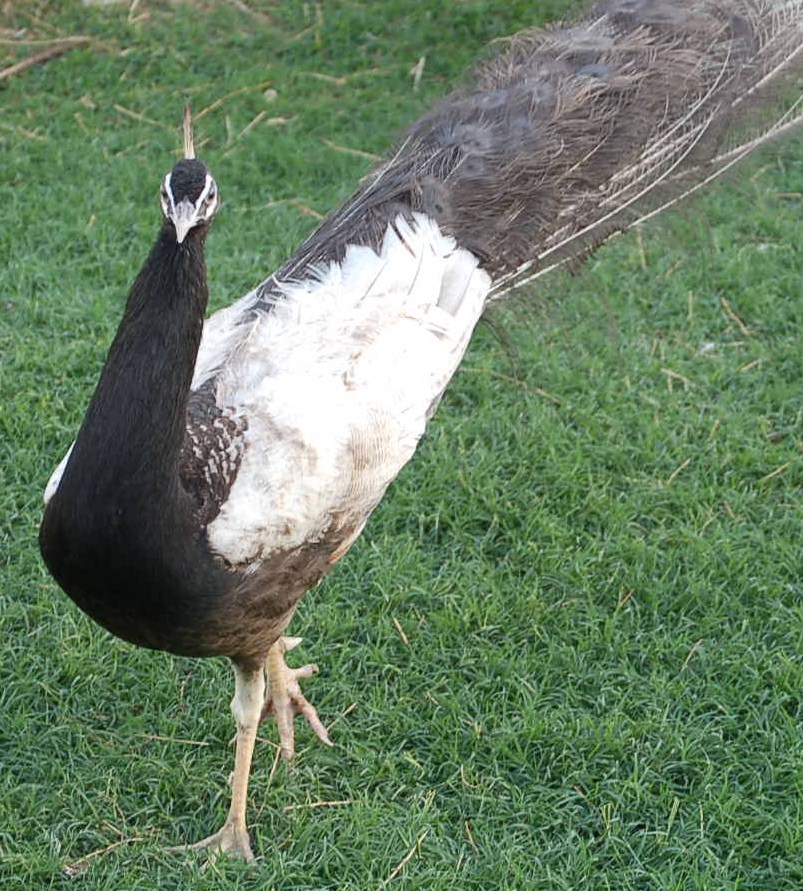
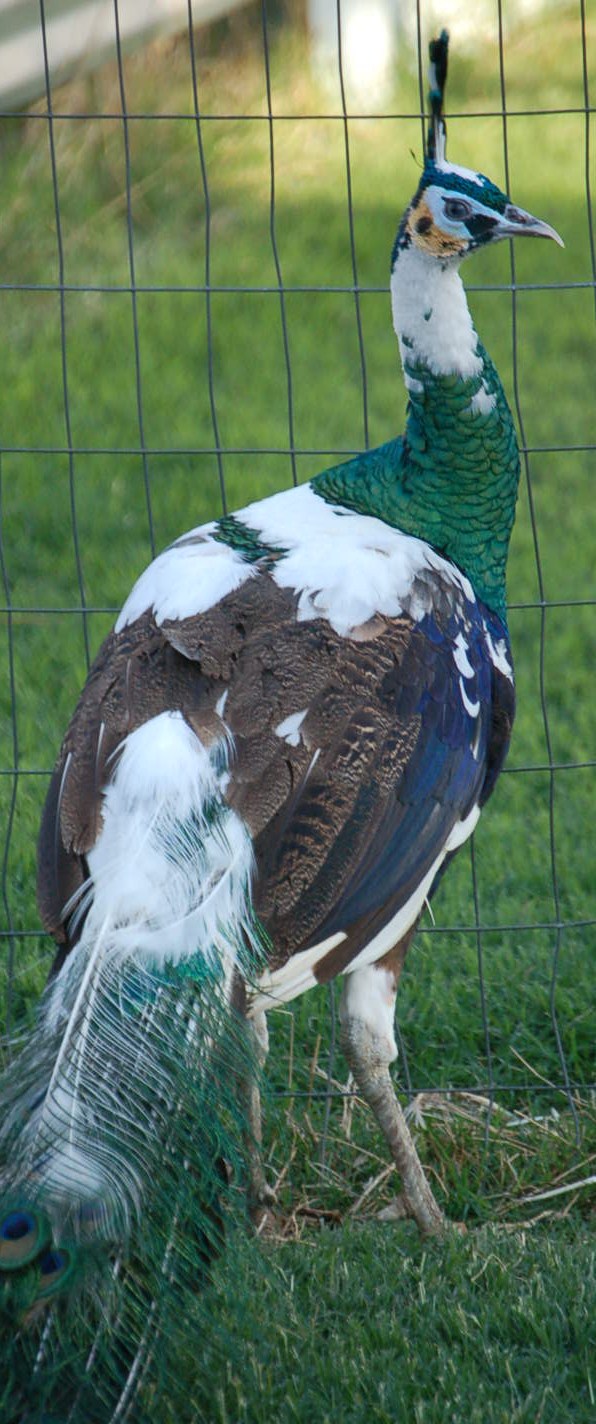
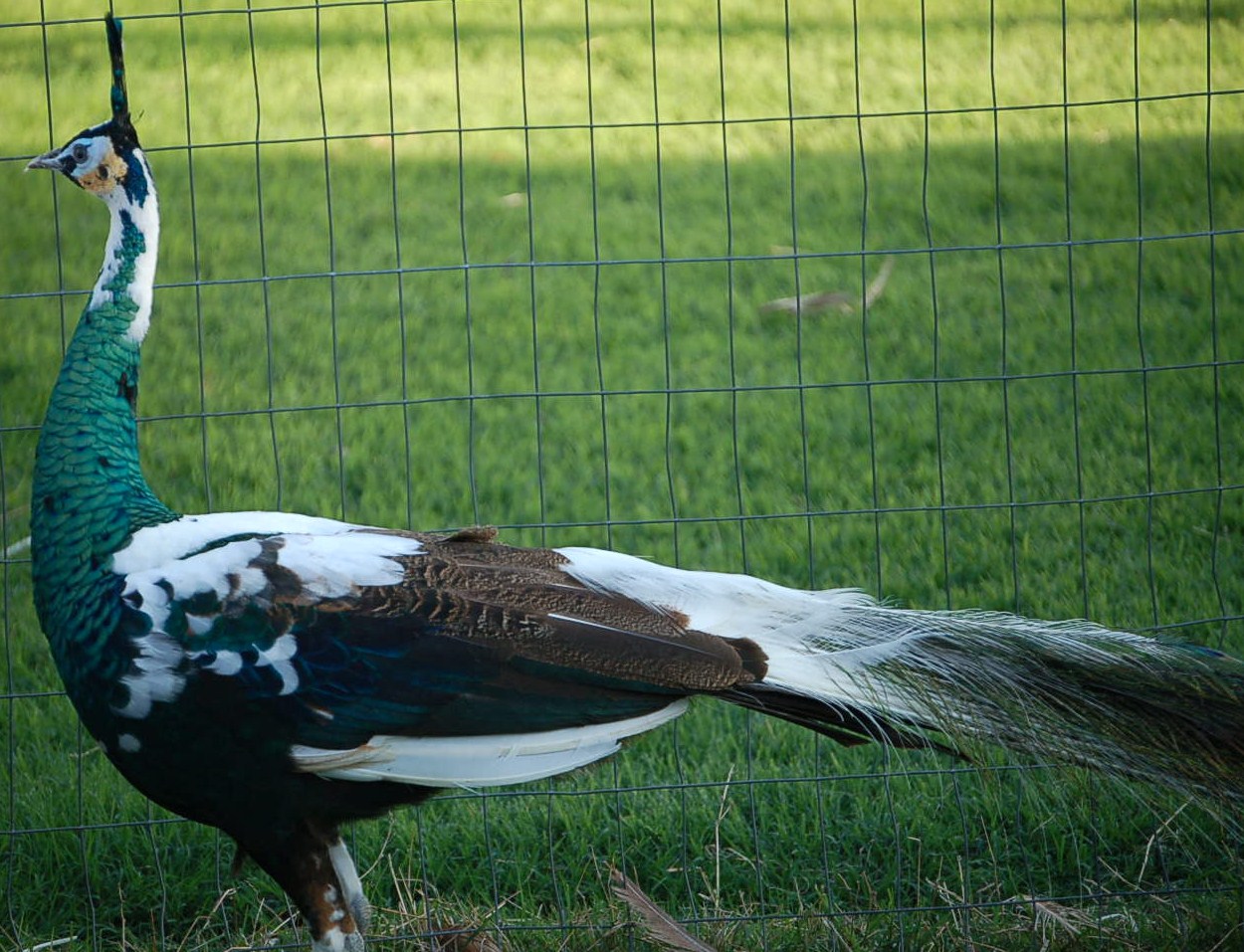
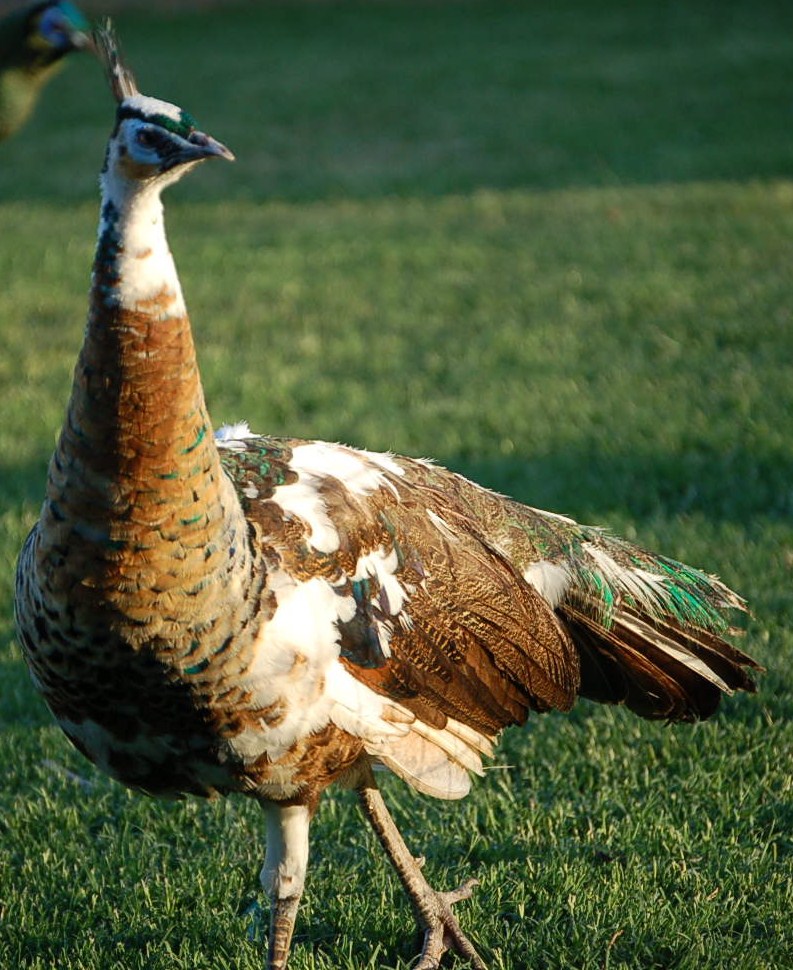
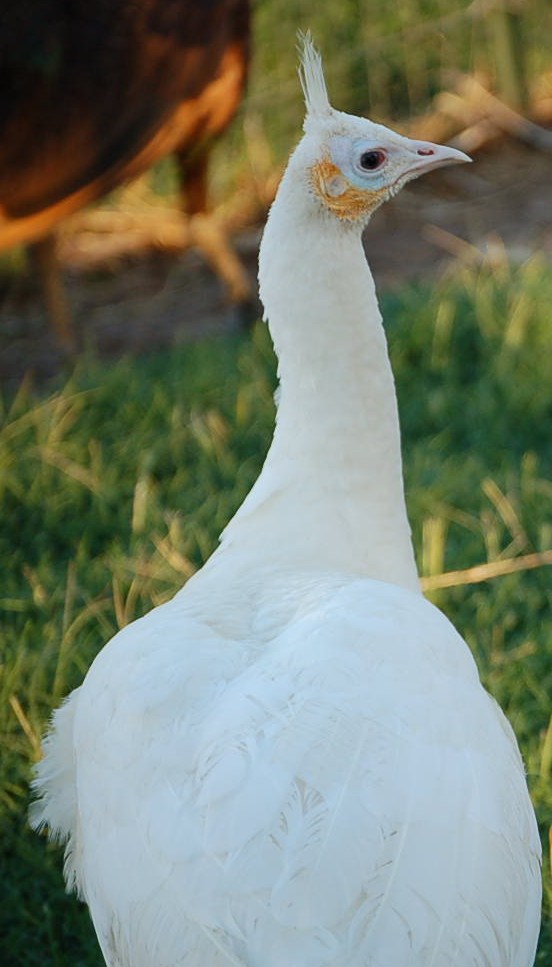
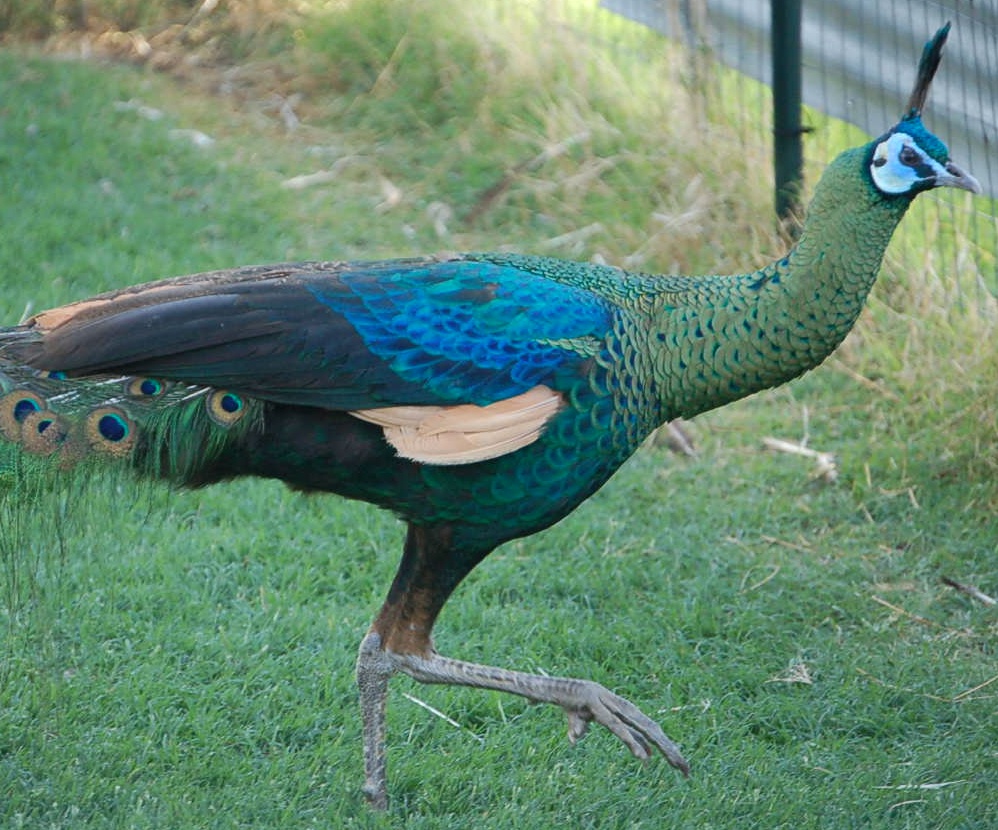
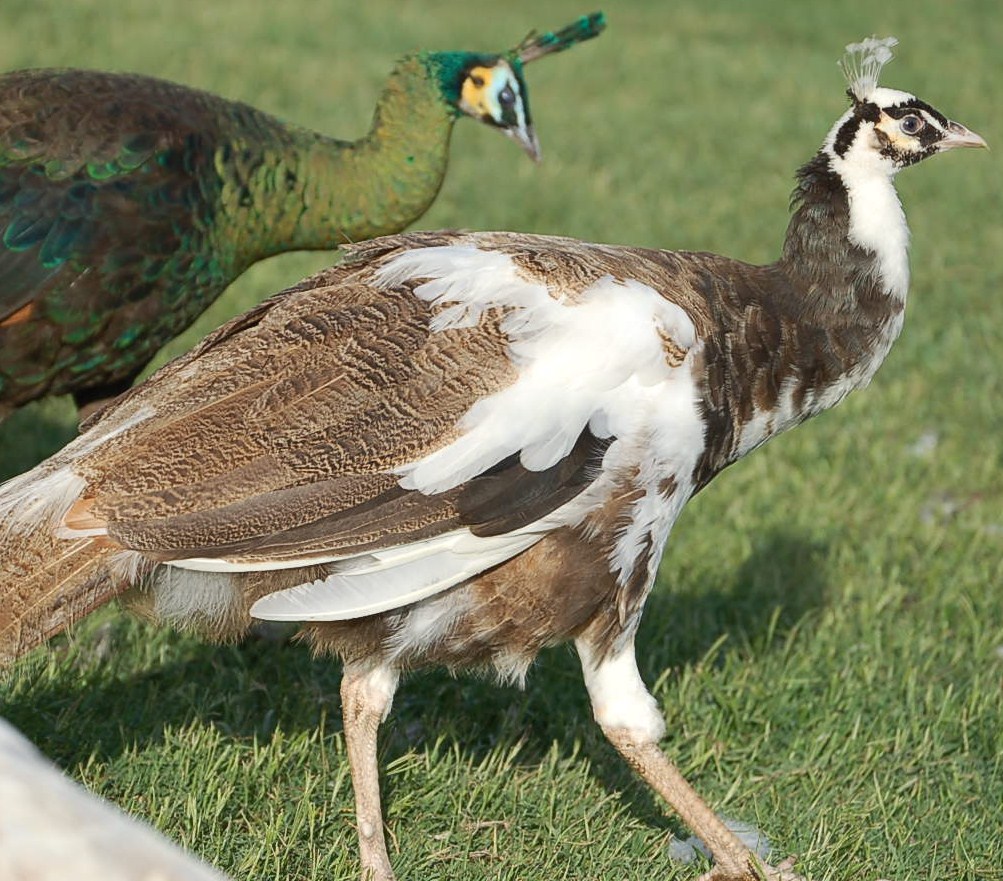
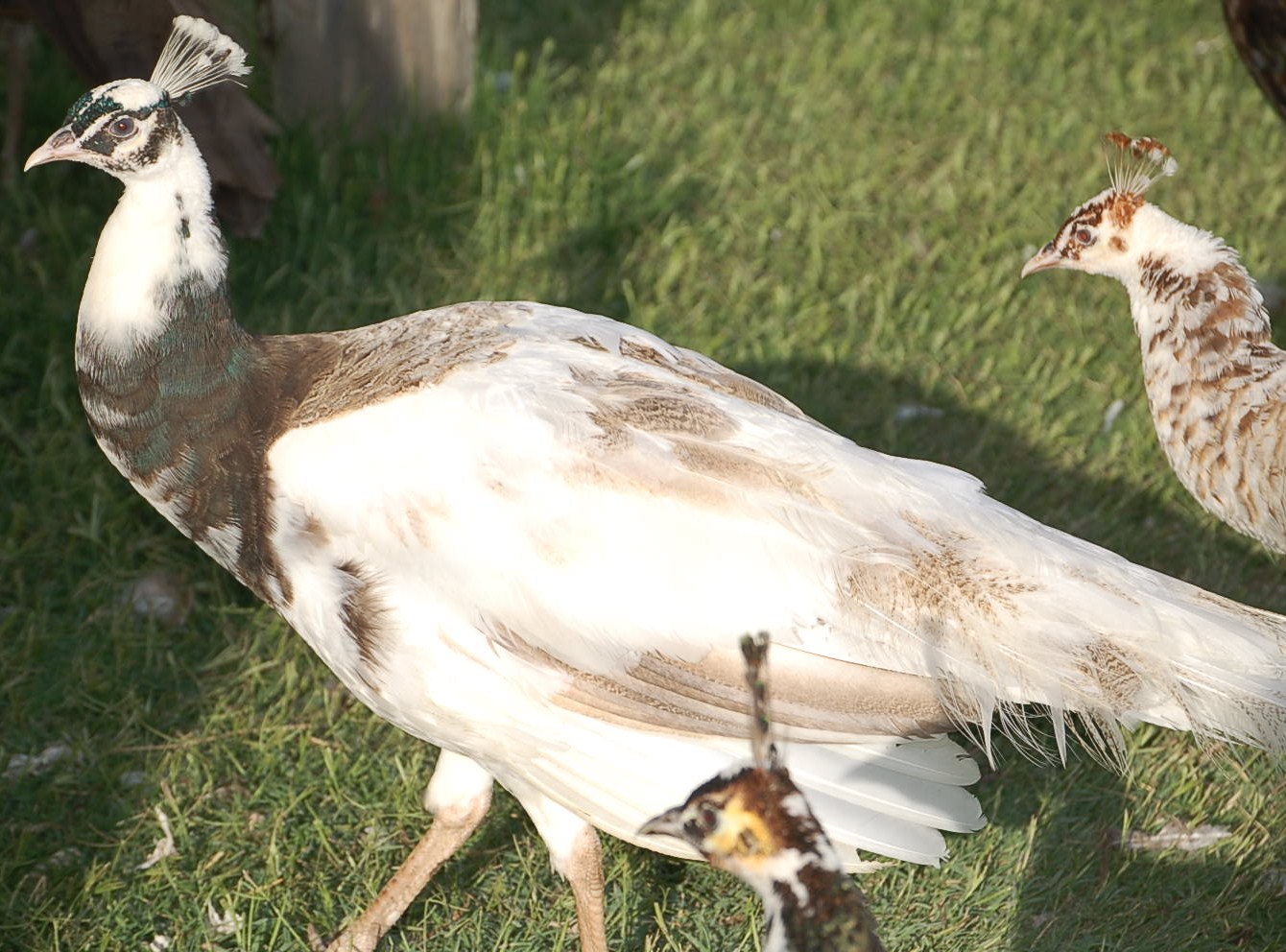
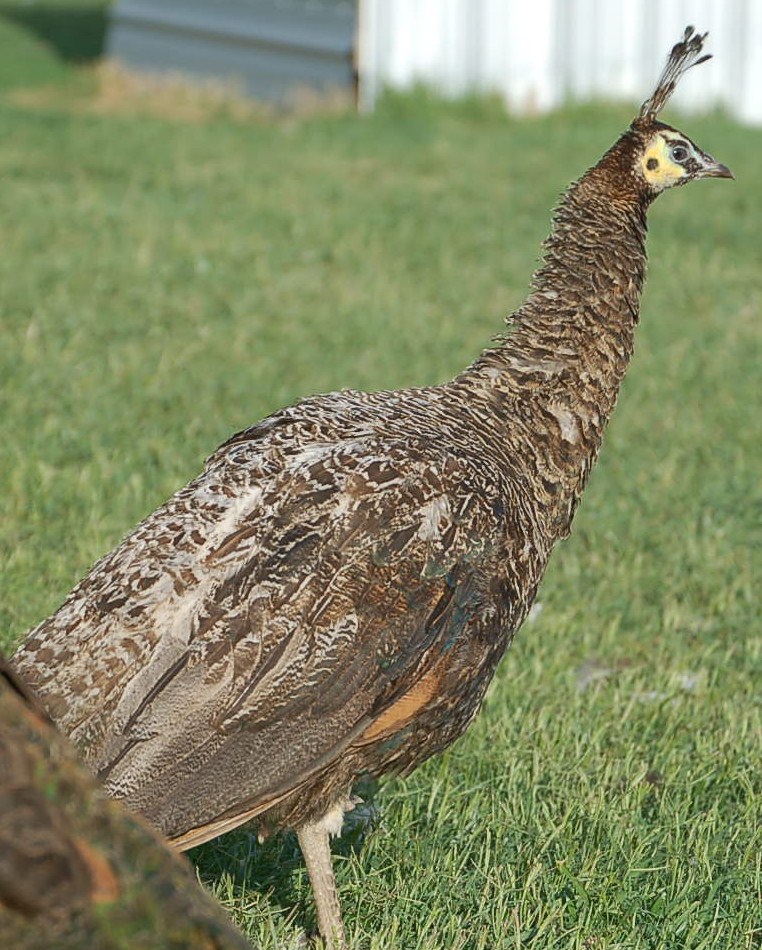
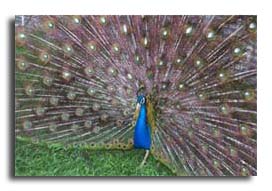
Remember, our breeder name is texaspeafowl all one word ... our website regarding peafowl for sale is texaspeafowl.com, our email for questions or peacocks for sale in Texas is texaspeafowl@aol.com ... again all one word ... every correspondence will have my name and phone number ... you will never get an email without peacocks or peafowl on the subject line or without my name and phone number ... Please note... below birds are already old... pictures were left up to show what the color or pattern noted look like... there are a number of birds not listed if you have something your looking for. Midnight Blackshoulder Silver Pied Peacock New color -- Hazel Peacock coming two New generation - Spalding Bronze Blackshoulder New generation - Redbuff Spalding New generation High% Emerald Pied Spalding (we use the old name ... this is not the common spalding pied) Blackshoulder Silver Pied Peacock This is a example of why we use the term Emerald Spalding like those in the past ... this is not the normal spalding In recent years the peafowl industry has said there were no red buff spalding peafowl, only blackshoulder spalding. This picture shows the old blood line that almost has been lost due to poor breeding and lack of record keeping. Thanks to Dennis Wishmyer for keeping this pattern from disappearing. Dennis in the past has provided so many birds that were or are the foundation stock for just about every serious breeder in America. The UPA should have published something years ago to give credit for someone who is responsible for the work being done today with white spaldings, pied spaldings, bronze birds. india blue blackshoulder silver pied blue/purple blackshoulder silver pied spalding silver pied, opal white eye spalding bronze white eye peacock cameo pied / white eye peacock charcoal blackshoulder peacock charcoal blackshoulder 2 year peacock emerald spalding split white 31/32 spalding split white, you might see the small white dot under the chin... to tell the difference from a muticus type... look for a shorter top crest, wing barring on the top of wing. If your thinking of purchasing a pure green bird this picture is a good example of why you must know the breeder and his or hers reputation. There is no reason to cross breed green type to blue type... you will never produce this type of bird unless your willing to spend 10 - 15 years, keeping back hundreds of splits. One of the benefits to improving a hybrid is for color, height as well as phenotype for northern climates. Of course others will hope for preditor kill, or as one friend said, "great tiger feed". india blue pied peacock split blackshoulder, bronze, cameo purple, hazel, indigo as well white eye, silver pied... in both barred wing and blackshoulder ...hens are the same ... produced from breeding bronze male with purple and cameo blackshoulder silver pied hens... and blackshoulder silver split purple male with bronze hens... off spring from the two pens were then placed together ... producing unrelated birds in all patterns and all colors including the two new colors hazel and indigo. high% spalding bronze blackshoulder Poisonous plants: Cornell University has a informational database for Poisonou |

 s plants. You might surf around the below listing.